Category Archives: nature

Listen to the Trees

In my Nov. 2 post, Secrets Revealed!, I shared the story of how I came to write a little ditty called “Home Alone.” Today, I’d like to talk about another song I’ve written for my new songwriting club.

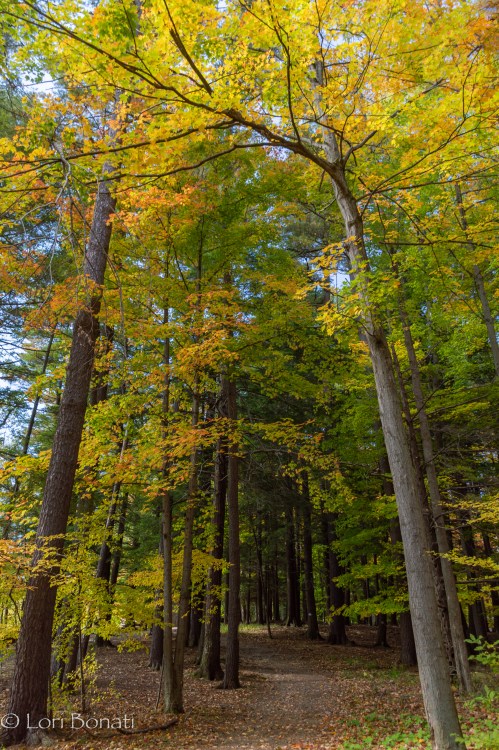
Our prompt for this song was “inspiration.” We were supposed to try and write songs having to do with a quote that means something to us. I bent the rules a bit and used the title of one of my photos for inspiration. Here’s the photo, which also can be seen in my Nov. 1 post:

The stillness and vulnerability of the trees, and the way they seemed to be listening to and supporting each other, made me want to write something quiet and reflective to support them, something that would say “I hear you.” I grabbed my guitar and played one of my favorite chords, A-major-seventh (Amaj7). Here’s a photo of an Amaj7 chord that I found online. It’s one of the easier chords to make!
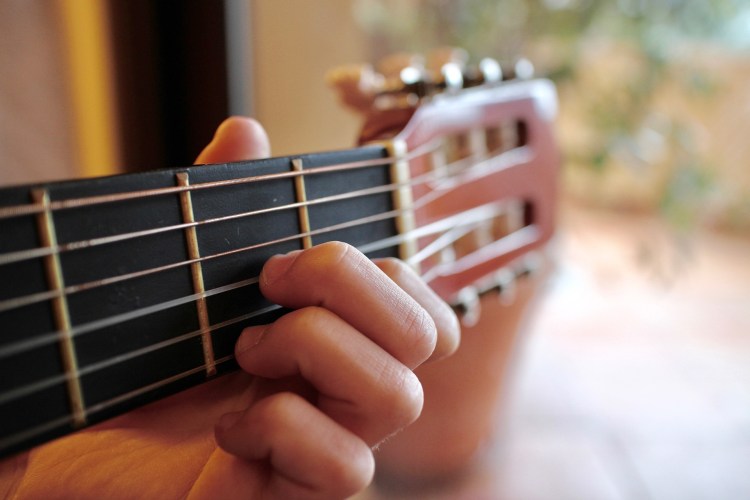
Photo by sweetlouise at pixabay.com

Major chords, or major triads, are often described as happy. The notes are bright and positive-sounding. Minor chords can be described as sad. The second note of the triad (third note of the scale) is dropped by a half-step (one fret on the guitar). For some reason, this brings out sad emotions. But major SEVENTH chords are really different. They add an unexpected fourth note – a half-step below the octave – and the result is a little bit dissonant and melancholy, but at the same time warm, sweet, and hopeful. At least that’s how I hear major seventh chords.

After I played that Amaj7 on the guitar, my hands drifted up the neck a bit and sort of accidentally landed on the strings in places that, when strummed, sounded good to my ear. Turns out it was a chord called Cadd9. (I had to look it up.)

My new song, “Listen to the Trees,” ended up with ten different chords altogether, and it all started with that Amaj7. It has a bossa nova beat which makes me think of the great Brazilian jazz composer Antonio Carlos Jobim, who used a lot of major seventh chords in his own songs.

Here are the lyrics to my song:

LISTEN TO THE TREES

Whispers in the forest, carried on a breeze

hear the quiet chorus of the trees

branches are bending, roots move underground

messages that barely make a sound.

Telling their troubles, each in their own way

helping each other through the day

around them only silence, actions too few –

and the trees, they know this is true.

     Take the time to listen, listen to the trees

     know what they are saying, get down on our knees

     tell them we hear them, do what they need

     and give a word of thanks to the trees.

Inhale the essence of treasures we can lose

be mindful of the things we choose

learn nature’s lessons from branches above

wrap our arms around the ones we love.

I’ll try to record it and post a link, if I can remember how to use Garage Band. That could take me until next November, though!

Have you ever written a song, poem, or story about trees? Post a link in the comments below if you have!

~ ~ ~ ~ ~ ~ ~ ~

This is post #5 of the month-long challenge known as #NaBloPoMo or #NanoPoblano. To follow my blog, please click below where it says “Follow loristory.”

And, to read more of the NanoPoblano posts written by the supportive blogging group “Cheer Peppers,” click the image below.
Featured image at top of post by Gordon Johnson at pixabay.com

Lucky to Live in the ROC (Part 5)

Welcome back for the fifth and final installment of “Lucky to Live in the ROC.” After Part 4‘s mad-dash adventures in pizza tasting, coffee drinking, and mural gazing, I’ll bet you’re ready for a nice relaxing drive through the autumn hills of upstate New York.

But first, a note: November is National Blog Post Month (#NaBloPoMo), when dedicated bloggers everywhere try to post a little something every day. Throughout the month, I’ll be writing daily posts until I run out of ideas – which could be tomorrow. 🙂 Luckily, I’m part of a Facebook group (NanoPoblano) that cheers each other on by reading and commenting on each others’ posts. To read NanoPoblano posts, just join the NanoPoblano Facebook group or type NanoPoblano in the WordPress search field.

Now for those autumn hills:

Letchworth State Park

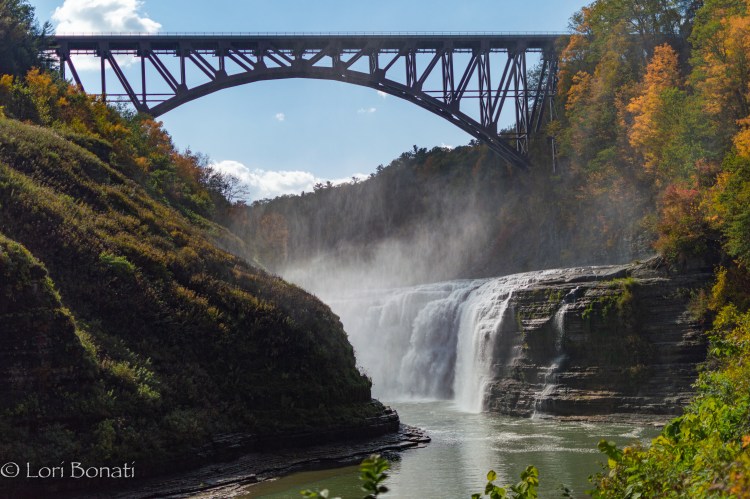
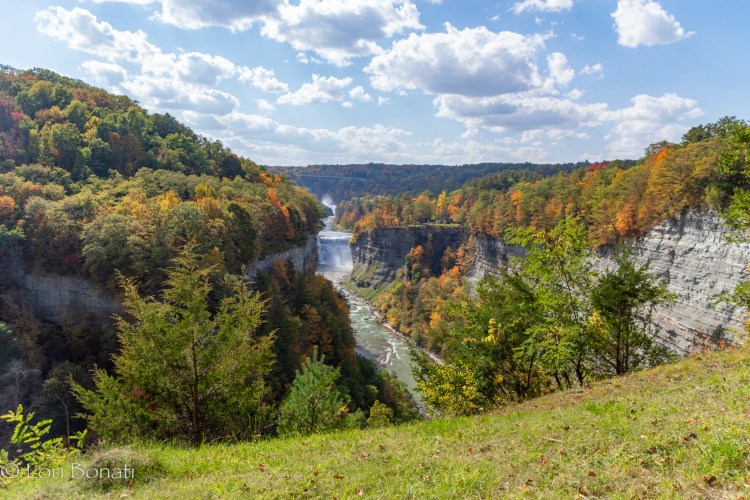
A beautiful upstate New York destination – especially in the fall – is Letchworth State Park, 40 miles south of Rochester. Due to its scenic gorge carved out by the Genesee River, the park is known as the “Grand Canyon of the East.” The photo below was taken at Inspiration Point, where you can take in the view of both Upper Falls in the distance and Middle Falls. (Lower Falls can’t be seen in this photo.) It’s just a short drive (or fairly easy round-trip hike) from one waterfall to the next, with plenty of parking areas, and even a snack bar close by. I visited the park on a Sunday, and even though it was a weekend, it wasn’t crowded at all.
After admiring the view, I turned around and looked up at the trees. They seemed to be communicating with each other (which, according to Peter Wohlleben in “The Hidden Life of Trees,” they actually do). These trees literally inspired me to go home and write a song about them. I call it “Listen to the Trees.”

Here’s a closer look at Upper Falls:

The photo at the top of this post (above the title) is Middle Falls.

Harriet Hollister Spencer State Recreation Area

About 35 miles south of Rochester, you can hike through Harriet Hollister Spencer State Recreation Area and get a lovely view of Honeoye Lake, one of the eleven Finger Lakes.

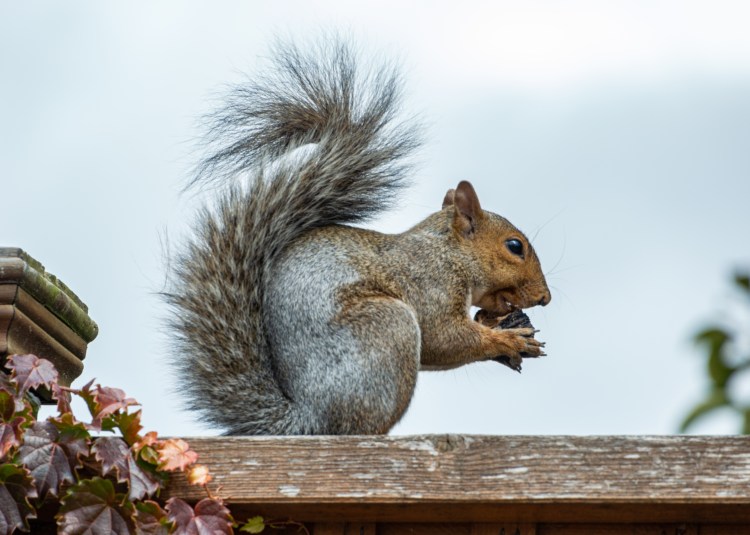
Look around and you’ll see even more to admire there: leaves, park buildings, a hornet nest (yikes!), and even a gray squirrel or two. Full disclosure: the squirrel was perched on a fence in nearby Dansville, which I visited later in the day, but somehow he jumped into this scene. I’ll forgive him for acting so squirrely.
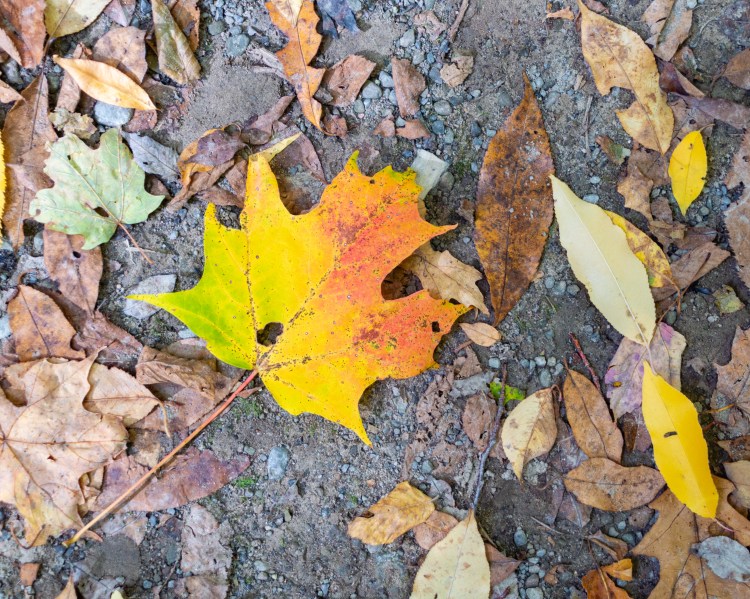
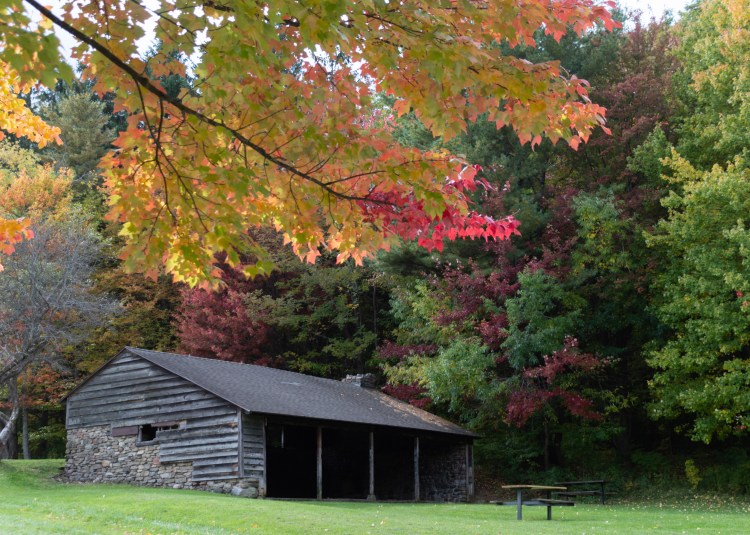
This sure was a good year for fall colors. The hills seemed to be alive with brilliant reds, oranges, and golds, especially when the sun hit them just right. I’m glad I got outside with my camera in October, because the leaves are dropping quickly now.

Speaking of which, I have a new camera! Although the above photos were taken with my older one (a Nikon D3200, considered “entry level” among DSLR cameras), future posts will show my attempts at learning to use my new Nikon Z5 in “manual” mode. Stay tuned!

If you’d like to follow me to see how long I last in the #NaBloPoMo challenge, a.k.a. #NanoPoblano, just click below where it says “Follow loristory.”

Thanks, and happy November!

Lucky to Live in the ROC (Part 2)

I’m back with another exciting installment of “Lucky to Live in the ROC,” an ongoing series in which I extoll the virtues of my hometown, Rochester, New York.

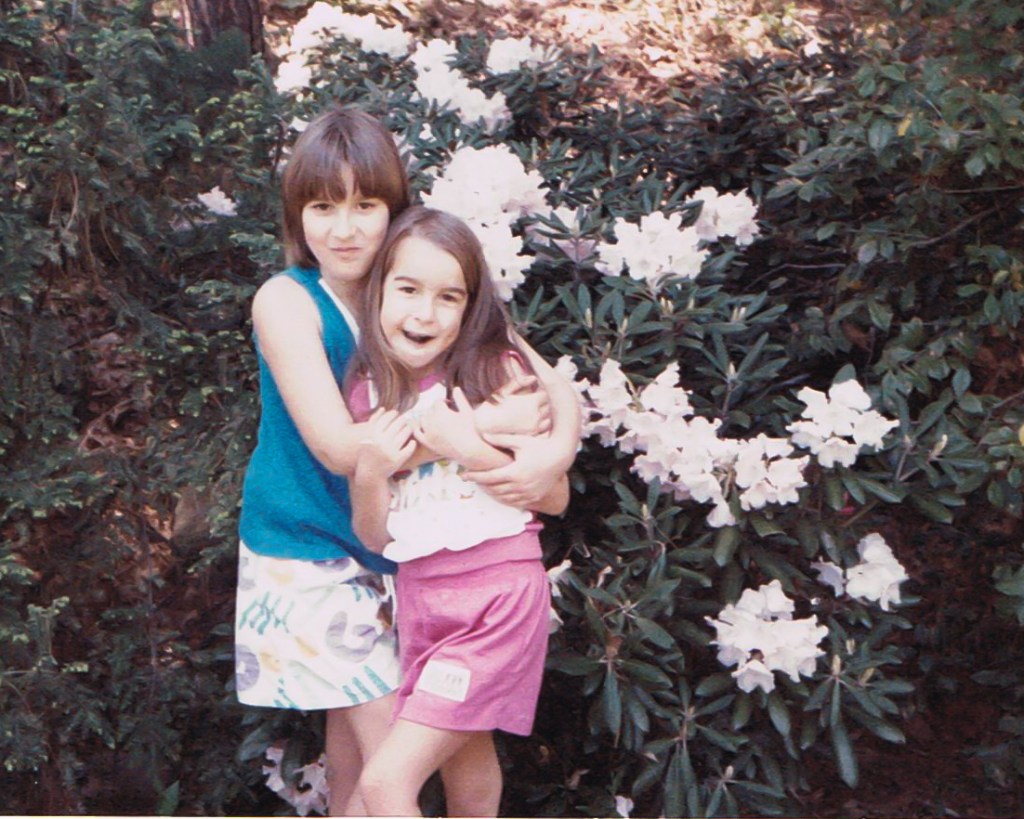
(Bonus tip: Scroll to the bottom to see the CUTEST PICTURE EVER TAKEN OF MY DAUGHTERS, and then return here to continue reading.)

Part 2: HIGHLAND PARK

When I first moved to Rochester as a child, I immediately noticed the abundance of trees.

Maybe my impression was colored by the fact that my former street was a busy four-lane highway, and my new address was on a quiet road covered by an arc of leafy elms. But to my twelve-year-old mind, Rochester was a green oasis compared to the drab Buffalo suburb I’d come from.

I soon discovered many lovely parks in and around Rochester that supported my first impression. And, of all the parks in the area, Highland Park turned out to be my favorite.

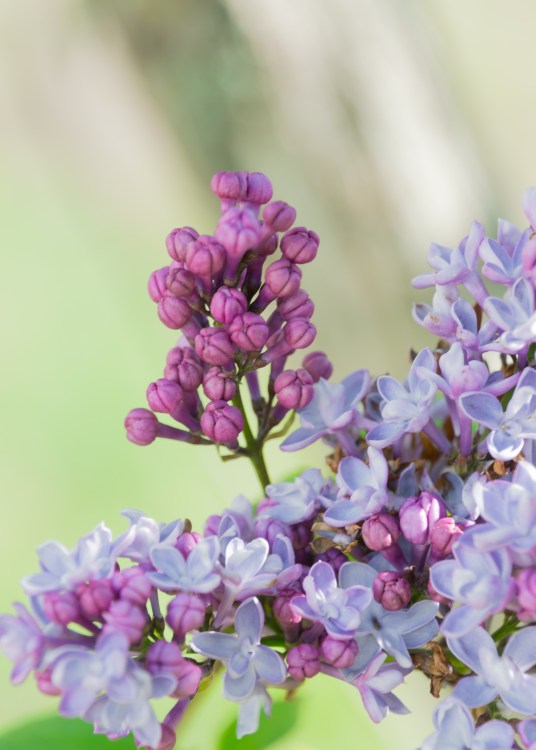
Highland Park was designed in the late 1800s by Frederick Law Olmsted (the designer of New York’s Central Park). Its 150 acres are located within the city limits. It’s an arboretum that showcases more than 1,200 lilac shrubs (over 500 varieties), as well as magnolias, rhododendron, azaleas, and many other beautiful plants, while maintaining a natural, flowing vibe. It also features an amphitheater, Highland Bowl, that is used for outdoor movies, theater productions, and music concerts.

Highland Park is a great place to visit in the spring, when many flowering plants are at their peak. For a guide to what’s blooming when, click here.

A Lilac Festival is held in Highland Park each May, with music, art, food, and – of course – lilacs.

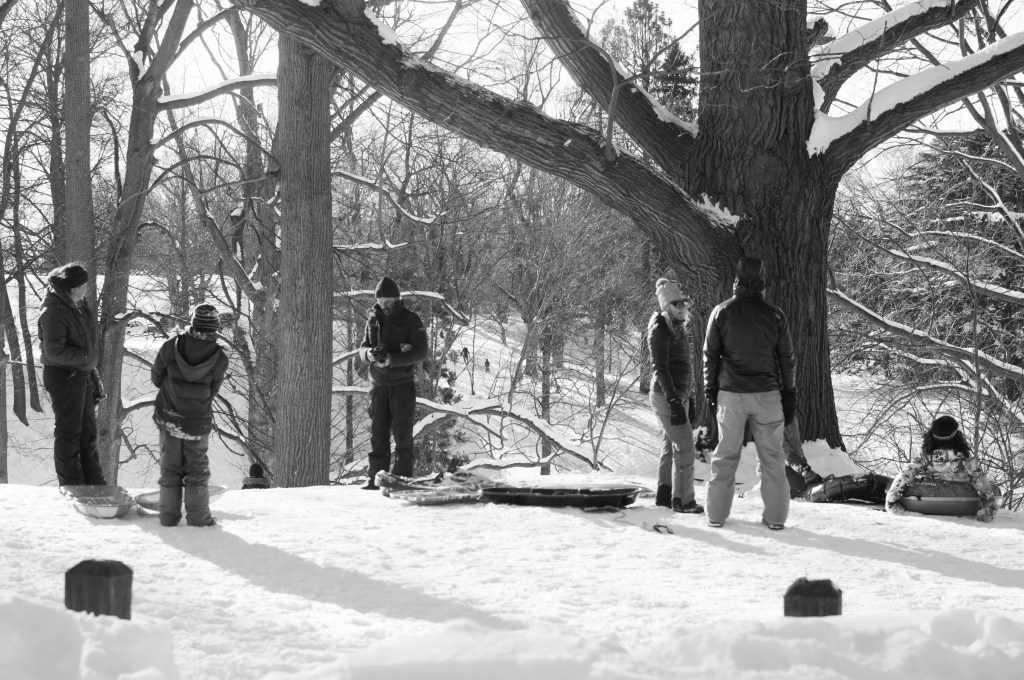
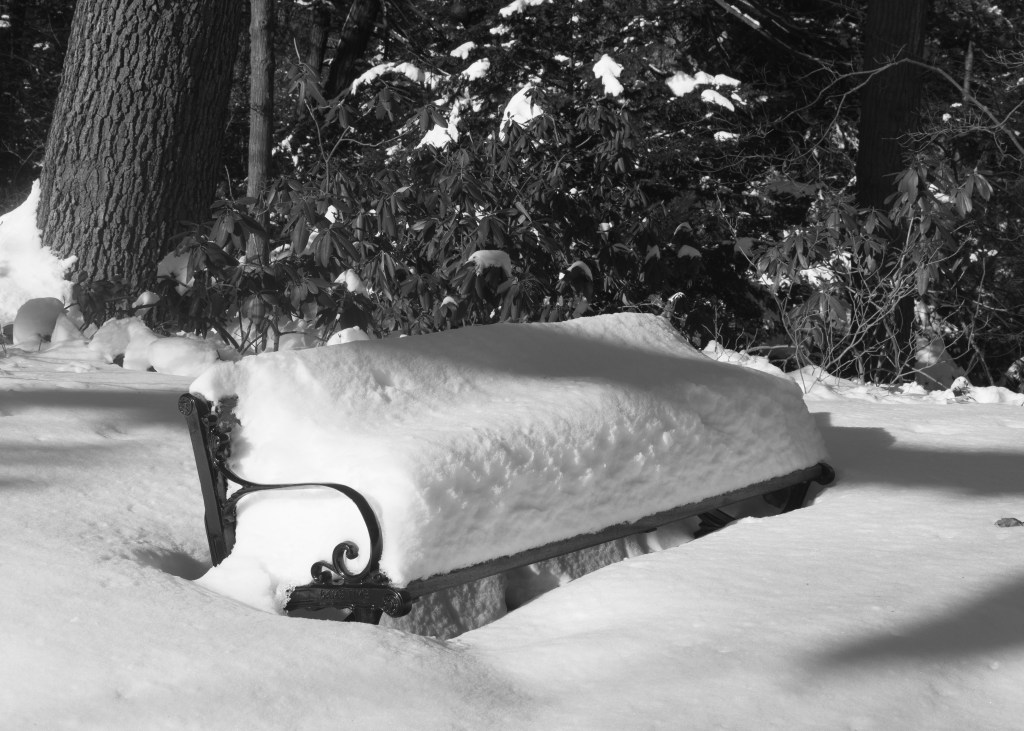
Winter in Highland Park can be a good time for photos, too, until your fingers get numb from the cold.

Here are my top three memories from past visits to Highland Park:

#1: Attending a Sarah Vaughan concert in the 1980s at the Highland Bowl amphitheater. Fun fact: My daughter Erica (age 1 at the time) came along with me. About 30 years later, we learned that her husband, Richard, had been there, too. Coincidentally, they tied the knot at Warner Castle, located IN HIGHLAND PARK! Could their fate have been written in the stars that night?

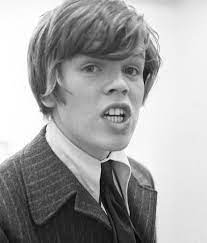
#2: Seeing Herman’s Hermits there during the 1990s. Somewhere in my archives, I have a blurry snapshot of Peter Noone (taken by me) singing “I’m Henery the Eighth, I Am.”

#3: Taking my daughters there to see the flowers. One year, on Mother’s Day, a reporter noticed Katie and interviewed her. She was on the news that night!

Well, I guess you can see why Highland Park is special to me. I think I’ll go there today and take more photos.

Tip: Follow me so you won’t miss the next fascinating episode of “Lucky to Live in the ROC,” in which I’ll discuss the FOURTH-OLDEST ROLLER COASTER IN THE WORLD!

Dirty Little Secret Garden

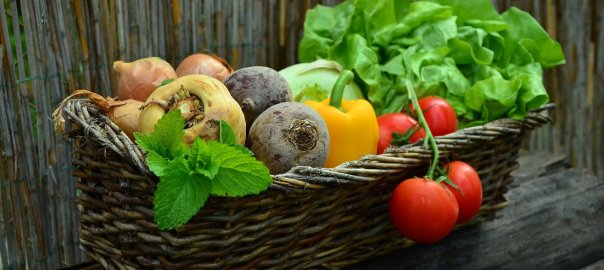
My new raised bed organic garden has a secret, and I’m here to spill the beans:

It’s going to be a bountiful harvest!

How do I know that? Well, I don’t. But after spending a significant portion of my annual food budget on this dirty little project, I’m trying to stay positive.

I tried a raised bed garden once, with poor quality soil that was only about 4 inches deep. The birds loved my arugula. My carrots grew sideways.

But I wasn’t ready to give up. Now that I’ve put down new roots here in Rochester, where I’ve got a new backyard to play in, I’ve decided to dig deep into gardening one more time.

Growing a few tomatoes and peppers is simple, right? You just turn over some dirt, plant, weed, and harvest. But because I’m me, I had to watch a video, buy a book, and spend countless hours agonizing over every tiny detail, even including the garden’s eventual location (which I’ve changed three times).

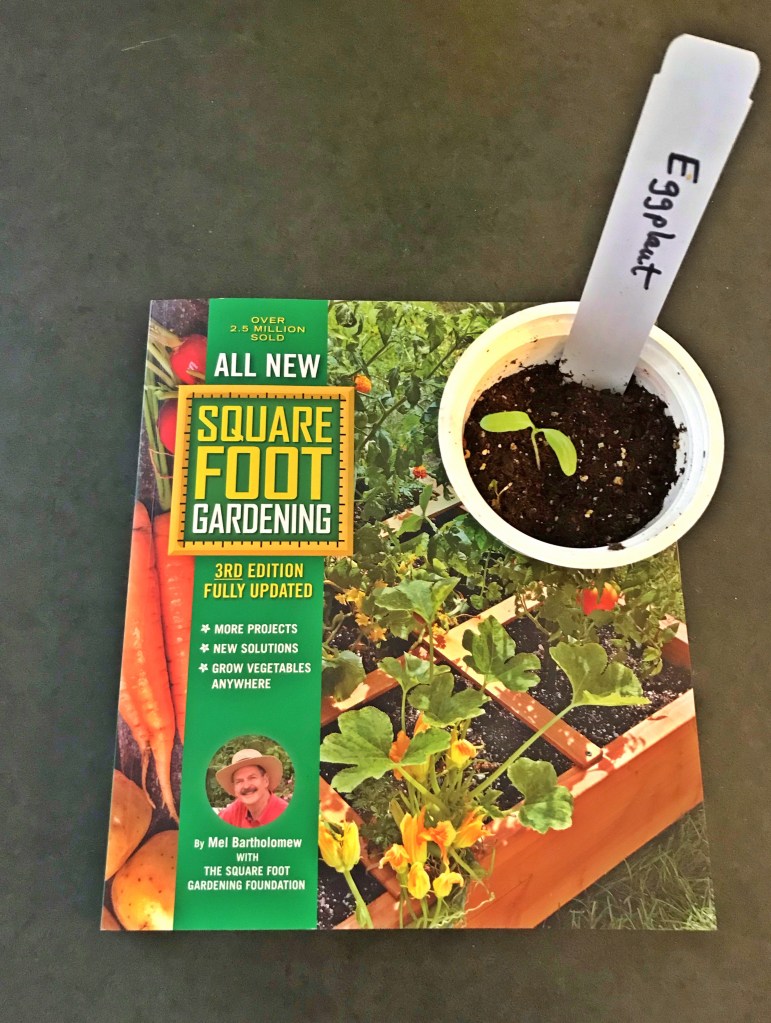
The book I bought, “All New Square Foot Gardening” by Mel Bartholomew, is great. It explains, in simple language and with pictures, how to build 6-inch deep raised bed garden boxes, what to fill them with, what to plant, and when to plant. I’m trying to follow Mel’s instructions step by step, and so far things are going according to plan – albeit slowly.

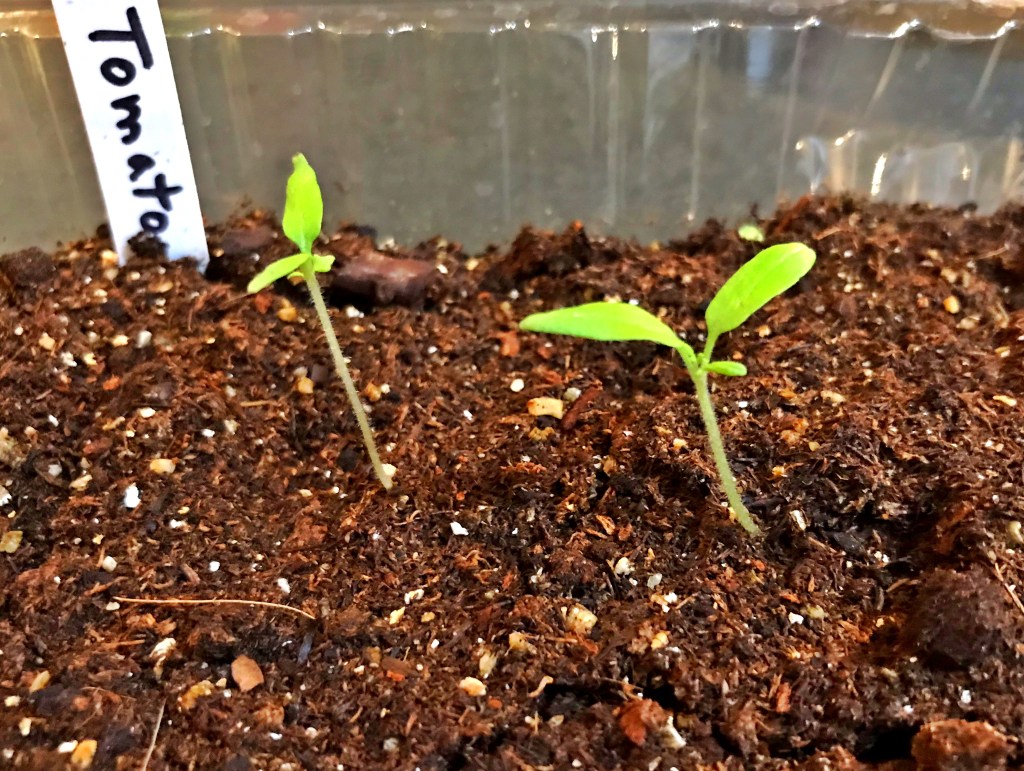
The first thing I did after buying Mel’s book was to start some seeds indoors. That was the easy part.

The hardest part, for me, was calculating the amount of dirt (a combination of peat moss, vermiculite, and compost, which the book calls “Mel’s Mix”) needed to fill my 4 x 4-foot boxes to a depth of 6 inches. The math shouldn’t have been that hard, but I tied myself up in knots trying to convert pounds of compost to cubic feet. Oh well, we can’t all be Einsteins when it comes to measuring shit!

And did you know that, according to gardentabs.com, there are at least six different types of compost? You can probably tell I’ve developed a bad case of OCD (Obsessing on Compost Details).

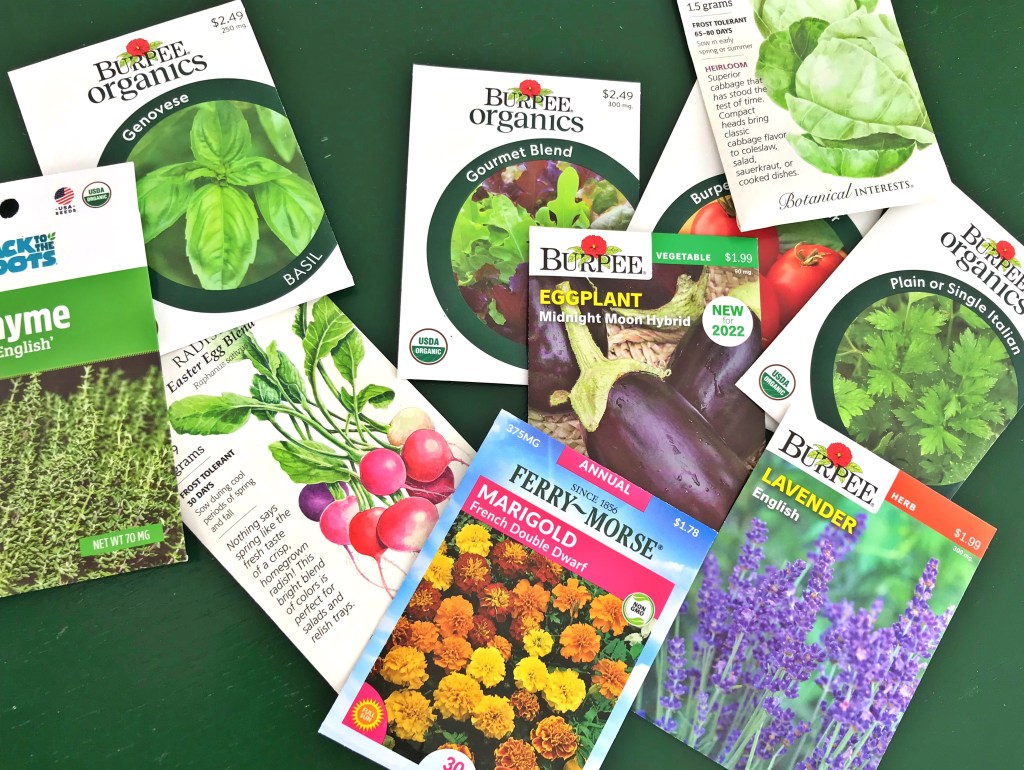
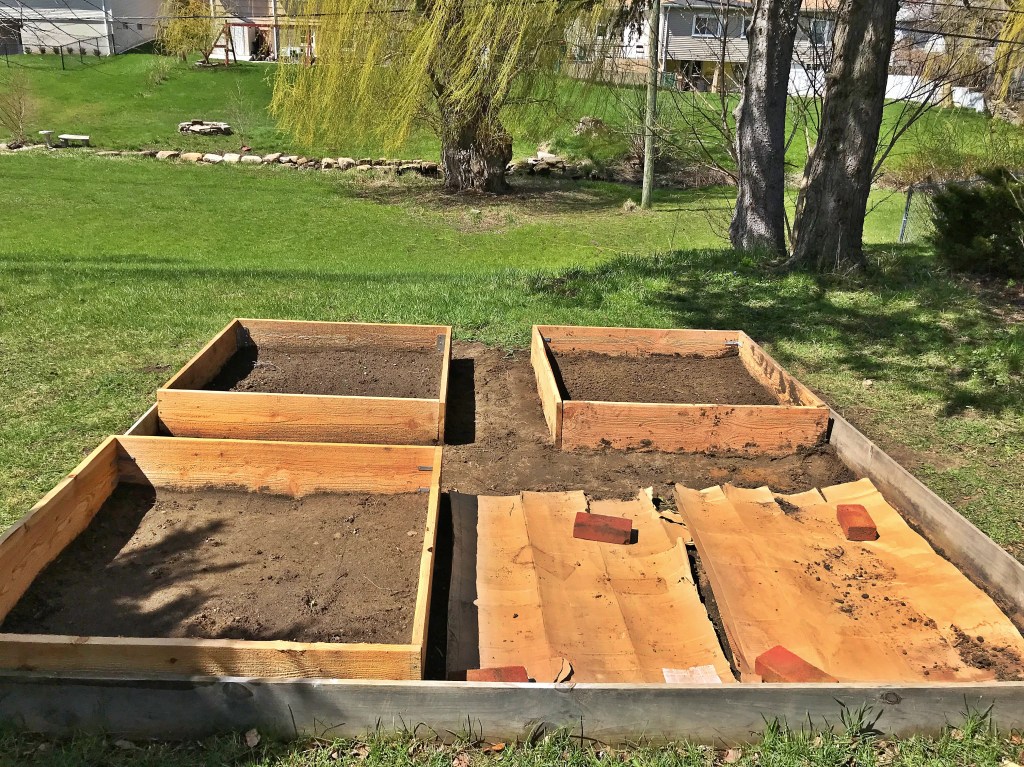
In case you’re brave enough to try this at home, here are a few photos, and what I’ve done after reading the book and planting seeds indoors.

  • Drew garden designs (at least five different versions). Settled on one version, a design using four 4 x 4-foot boxes.
  • Calculated the amount of lumber and type of fencing needed. (My yard is frequently visited by birds and rabbits, and sometimes even deer).
  • Ordered fence materials from Gardener’s Supply Company. Also ordered a smaller fence and gate contraption from them. This was an impulse buy, for an additional garden next to the house, where I hope to plant lots of tomatoes. (I hope I’m not overdoing it, folks).
  • Shopped for cedar boards at Home Depot, Lowe’s, and two local lumber yards.
  • Realized I can’t afford cedar. It’s $30 for an 8-foot board, and I needed 8 of them. New pine was out of the question, too, since all I could find was pressure-treated and could leach chemicals into the soil.
  • Continued my search for lumber on Craigslist and found a supply of new, untreated larch. Granted, it was in Buffalo (75 miles away), but it looked good in the photo and was only $10 a board. Plus, the guy selling it had made his own raised bed gardens with it and said the wood had lasted 13 years so far. Drove to Buffalo, bought the wood. The seller advised me to wear gloves to avoid splinters. Good guy!
  • Carried the boards into my basement, one at a time. Wore gloves. No splinters.
  • Called Home Depot; they said they’d cut the boards in half for me. Lugged them upstairs again and loaded them back into my car. Home Depot worker said “I’m not supposed to do this” but went ahead and cut them all into 4-foot lengths, for free. Felt like a real carpenter.
  • Took a closer look at my lumber. Realized some of it was warped so badly I couldn’t really use it. So much for that good guy! But 3/4 of it was fine. I would build 3 boxes instead of 4.
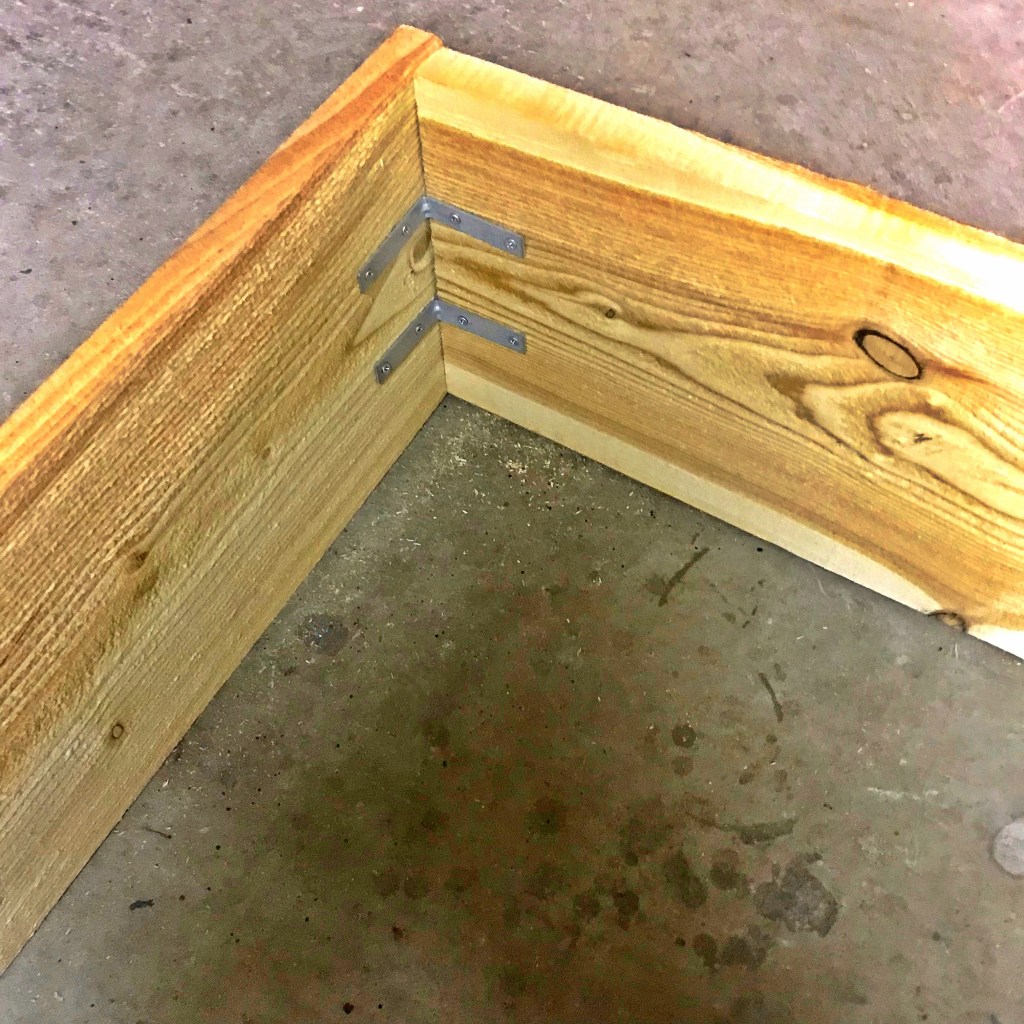
  • Shopped for screws and brackets for assembling the boxes. (Tried doing this on my own, with limited success. Did much better when accompanied by someone who actually knew something about hardware.)
  • Managed to assemble the boxes in my basement without help, despite having zero carpentry skills. Example: I think (but I’m still not sure) I may have been using the wrong kind of screws at first, since I couldn’t get them to penetrate the wood even when using my power drill. It might have helped if I’d read the drill’s manual first. I later discovered what those little numbers on it meant: torque.
  • Carried boxes outside (with help) and placed them into position.
  • Bought peat moss, vermiculite, and compost. (This took six trips to four different stores, plus one on-line purchase, but that was just my OCD kicking in.) Mixed them all together on a tarp.
  • Filled boxes with “Mel’s Mix.”
  • Shopped for wooden strips so I can make 1-foot grids to lay on top of the boxes. Discovered that even wooden strips are expensive! On a whim, visited a craft store where I found spruce strips, cheap, and exactly the right length.
  • Wondered how in the heck I’m going to erect a 7-foot tall mesh fence around my garden.
  • Tried to remain optimistic.

Am I regretting my decision to create a raised bed organic garden this year? Absolutely not! At least not yet. I’ll keep you updated on my progress.

And by the way, if you need any extra zucchini, please let me know.

Two’s Day/Cave Conversation

Today’s date, according to the Gregorian (western) calendar, is 2/22/22. And it happens to fall on a Tuesday! How cool is that?

Even cooler is the fact that TWO people pointed out the date to me today.

A date like that happens only TWICE every century! It took me a while to come to this conclusion. I had to write it out, like this:

            21st century:  1/11/2011 and 2/22/2022

            20th century:  1/11/1911 and 2/22/1922

            19th century: 1/11/1811 and 2/22/1822

        etc.

No sooner had I written this, than I began to wonder how far back the pattern would go. When was our calendar invented, I asked myself. And so, of course, I traveled down the proverbial rabbit hole and discovered that the history of the calendar is (a) fascinating, and (b) confusing!

What I can tell you, though, is that it has to do with the cycles of the sun and the moon that ancient peoples observed. You probably already knew that, but what might be news to you is the actual very first conversations by cave people in the process of inventing the calendar, which I’ve reconstructed here for the first time:

Cave Woman to Cave Man: Hey! Come here! Stop hunt! Look at sky! Light! Dark! Light again! Dark again! I make mark on cave wall each time! Okay, you make mark, I hold baby. Let us call marks “days.” … Just do it! Me no know why! Me just like sound.

Later, Cave Man to Cave Woman: Hey! Stop cook! Look up! Yesterday moon little! Now moon bigger! Other day moon very big! Me make more marks on cave wall! Oh, okay, I hold baby, you make moon marks. You make pretty marks. You pretty. You … okay, me go sleep now.

Much later, Cave Baby to Cave Parents: Mom, Dad! Look! Moon get big every time we have this many marks on cave wall! (Holds up both hands and flashes all ten fingers three times.) Let us call this many marks “month!” … Me no know why! Me just like sound.

Much, much later, Cave Grandkid to other Cave Grandkids: Hey! Come to my cave! We have many cool marks on my cave walls! (Flashes all ten fingers 30 times.) Marks in color! Come see marks, then play games!

Outside of cave, Grandkids playing rock, rock, rock (paper and scissors not invented yet): Winner make up funny word for 300 marks on cave wall! Okay, how about … “year?” (Howls of laughter)

And now for a photo I took last summer in the Adirondacks, in honor of Two’s Day:

—–

If you haven’t already done so, please check out my brand new book, “Wordle Poems: A Poem a Day for Wordle Nerds,” on Amazon. It contains 30 original poems inspired by the daily act of Wordling. No spoilers! Reviews are greatly appreciated!

For more of my writing, visit my author page over at Bardsy, as well as my book, “Standing in the Surf,” on Amazon. It’s a photo journal about the Pacific Northwest area known as the Salish Sea, which includes Whidbey Island, Vancouver Island, Stanley Park, Butchart Gardens, and more.

Where Did I (Gink)Go?

photo credit: olga drach on unsplash

Quick: What ancient Chinese tree is known for its reputation as a memory-enhancing supplement?

If you guessed “GINKO,” you’d be just partially right, because you misspelled it. The word is “GINKGO,” but I’ll forgive you for using only five letters, because you’ve probably been playing too much Wordle.

I’m writing about the ginkgo tree today for three reasons:

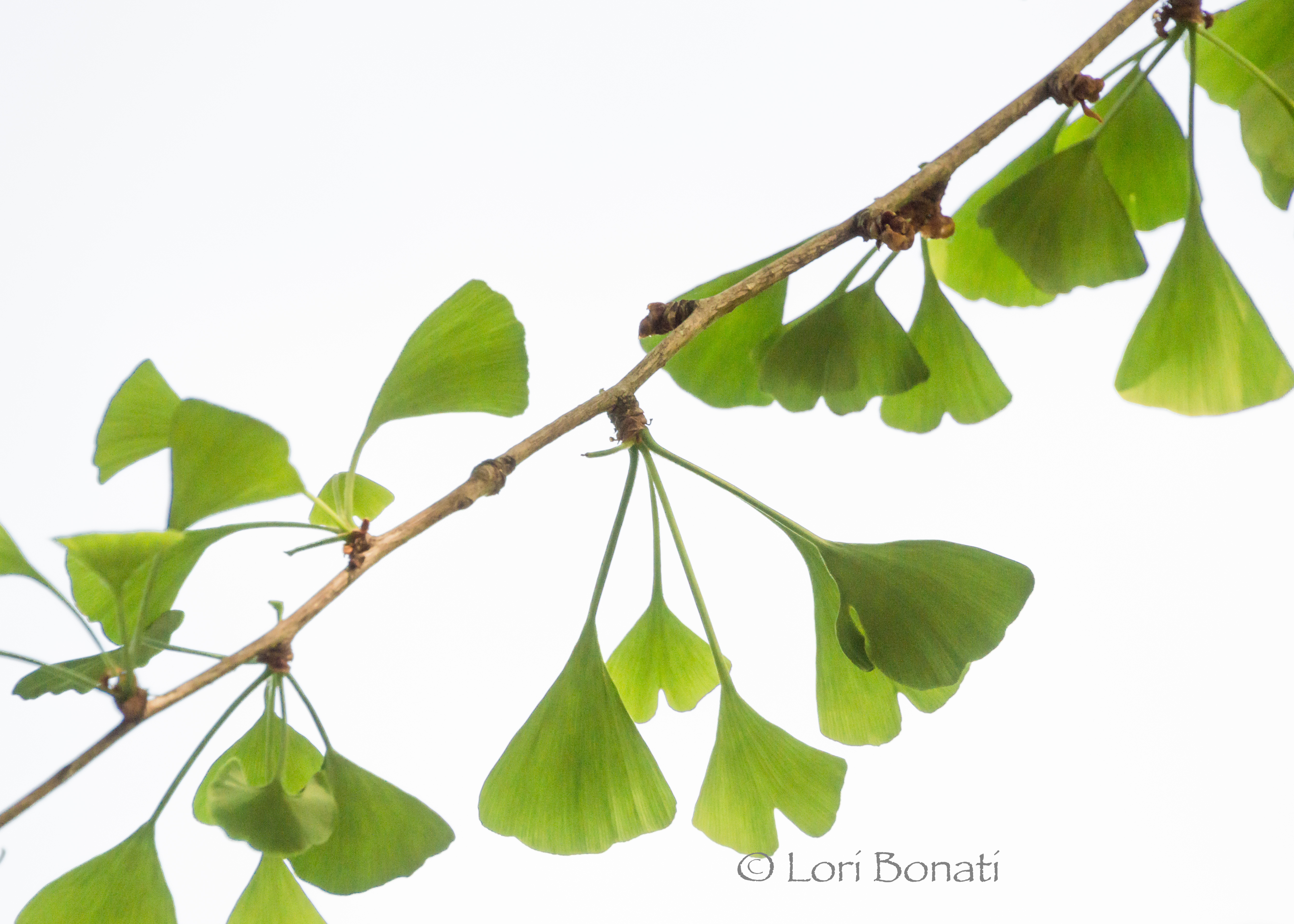
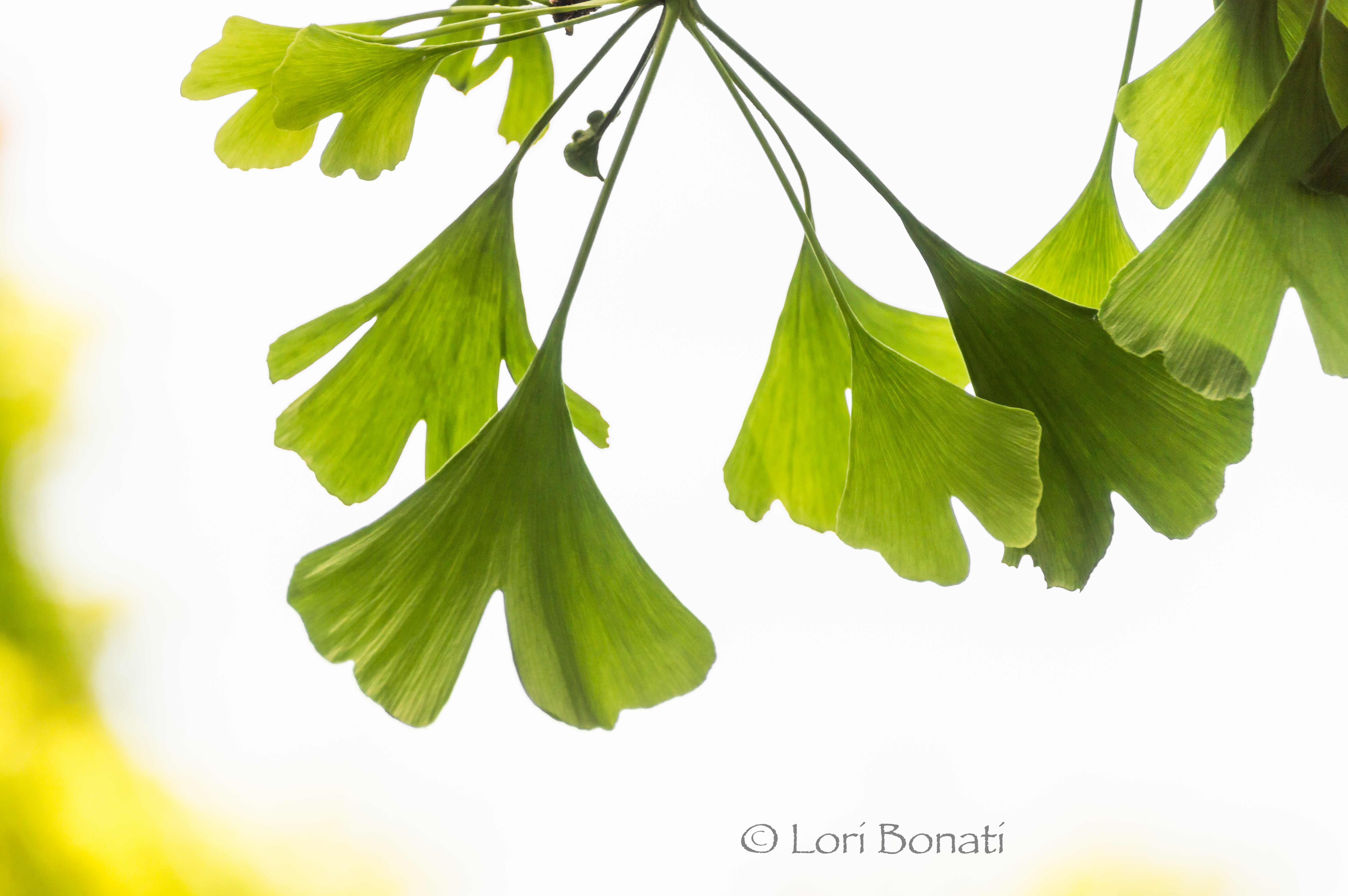
  • Their leaves are gorgeous.
  • They’ve managed to survive for thousands of years.
  • I have some photos of ginkgo trees to share with you.

But on a deeper level, my reasons are more complicated. As you may remember if you’ve been taking your ginkgo supplements (just kidding!), my dog Maya and I packed up and moved cross-country last year. You can read about our journey in my previous blog series, “New Latitude.” I stopped blogging temporarily, but now that I’m all settled in, I want to get back to my mission: writing stories inspired by my camera.

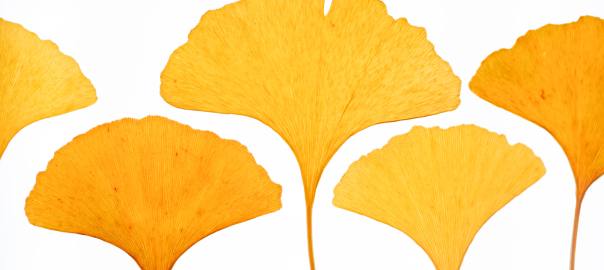
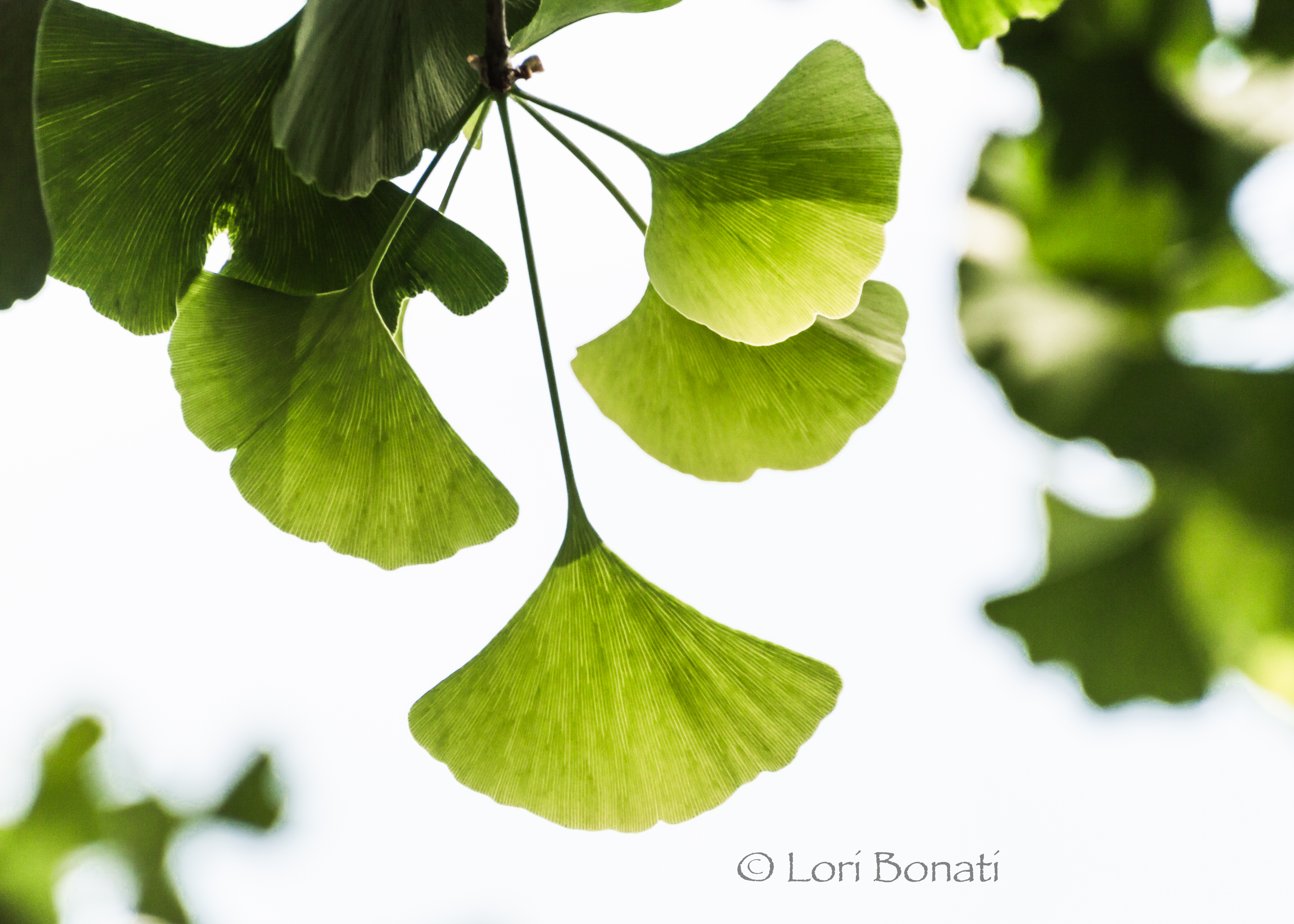
Yesterday, I uploaded 24 new photos, and I’ll be writing about each one, starting with GINKGO LEAVES:

And now for some Fascinating Facts about the Ginkgo tree:

  • Its scientific name is Ginkgo biloba.
  • It’s native to China.
  • Although its natural range is a small area of China, it has been cultivated in other parts of the world. (My photos were taken at Highland Park in Rochester, New York.)
  • Fossils in the Ginkgo genus date back to the Middle Jurassic period (about 170 million years ago). It was cultivated early in human history.
  • Its DNA genome is about three times as large as our human genome, which is thought to be why the ginkgo tree has many natural defenses against bacteria and chemicals. In fact, it’s so resistant to environmental assaults that six specimens growing in close proximity to the 1945 atomic blast at Hiroshima, Japan survived and continued to grow as healthy plants. They are still alive today.
  • According to an article by the Memorial Sloan Kettering Cancer Center, its use as a dietary supplement for the treatment of various diseases is mixed, and more study is needed.
  • It originally was two separate Japanese words pronounced “gin kyo.” Its current spelling dates back to a probable spelling error by a German, Engelbert Kaempfer.
  • It can grow to over 100 feet tall.
  • It’s considered a “living fossil.” Some living specimens are reported to be over 2,500 years old.
  • The ginkgo leaf is the symbol of Tokyo.

I’m glad I thought to take pictures of those pretty ginkgo leaves in Highland Park last summer. Otherwise, I wouldn’t have been so inspired to learn more about this admirable tree. I’d love to read about what inspires you. Please leave a note in the Comments section if you’re so inclined.

Before I go, I just want to say it’s (gink)GOOD  to be back!

—–

If you haven’t already done so, please check out my brand new book, “Wordle Poems: A Poem a Day for Wordle Nerds,” on Amazon. It contains 30 original poems inspired by the daily act of Wordling. No spoilers! Reviews are greatly appreciated!

For more of my writing, visit my author page over at Bardsy, as well as my book, “Standing in the Surf,” on Amazon. It’s a photo journal about the Pacific Northwest area known as the Salish Sea, which includes Whidbey Island, Vancouver Island, Stanley Park, Butchart Gardens, and more.

Do You Have a Muse?

Do you have a muse? Someone or something that inspires you to create? I guess I do, because it seems that every time I decide to post a photograph, I end up writing. Take today, for example.

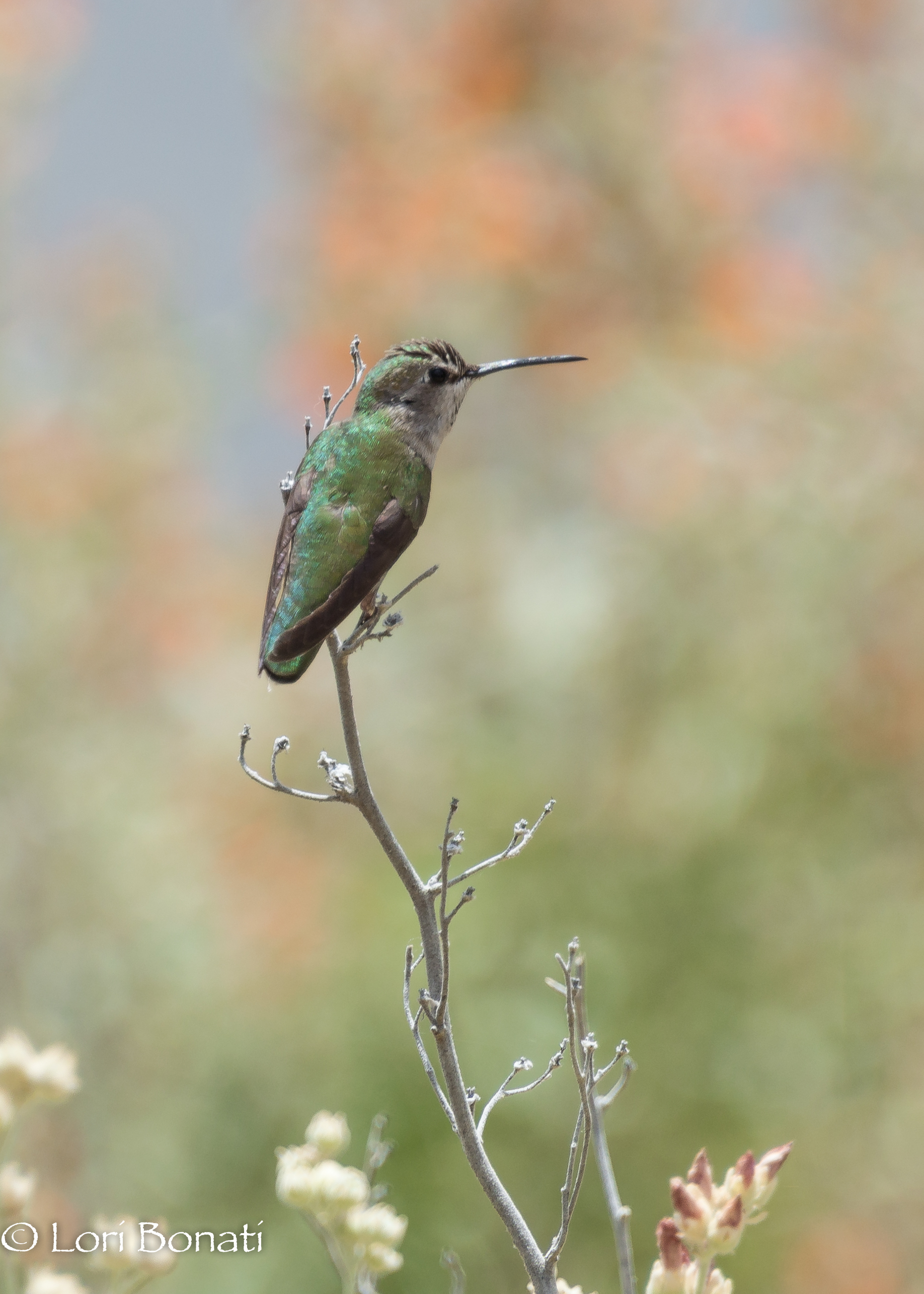
I sat here at my desk with the intention of posting a photo of a hummingbird, one I’d seen while out for a walk yesterday. I usually write a few words to go with my photos, so I wondered what I could say about this one.

Before I had a chance to start typing, though, I heard a voice (my muse?) telling me what to write.

“Write a poem,” the voice said.

“About what?” I asked.

“Well, what are you thinking about right now? What are you feeling?”

“Well, duh,” I said. “I’m thinking about the pandemic, what else is there to think about?”

“Okay, but are you sure you want to write about something so intense? Maybe just write a poem about a bird.”

“I have to write about what’s on my mind,” I countered. “Maybe I can work the little bird into the poem somehow.”

“Alright” the voice said, “it’s your blog. But don’t say I didn’t warn you.”

You see, I’d been lying on the sofa today, feeling a sense of unfocused inertia. I’ve been feeling that way on and off for the last couple of days. Have you been feeling that way, too?

For the past month, I’ve been busy doing things like working from home, writing, making masks, talking to friends, figuring out how to safely get food, and, of course, watching Netflix. I’m not a total nerd. But I’ve also been glued to the news, and that’s okay, because I want to know what’s going on. I think it’s important that we stay on top of things. But sometimes I try to do too much, and then it seems as if my brain just shuts down and all I can do is crossword puzzles. And that’s okay, too.

Anyway, I was feeling very foggy-brained and distracted by (a) my phone, (b) a crossword puzzle, (c) my Spanish flashcards, and (d) thoughts about the pandemic. (The correct answer is all of the above.) I had  just told myself to focus on only one thing at a time when I got up to get something (I forget what) and I found myself sitting here at the computer. I know, I probably need meds more wine.

And while I’d been on the couch, I kept thinking about something Billy Collins said recently in one of his live-from-home poetry talks. In speaking about social isolation, he said we’re  living under a “futureless condition,” not knowing how long this situation will last or what life will be like afterwards. He compared it to being in 4th grade, where the only future you can imagine is “5th grade.” I thought that was a great description of how I’ve been feeling. And again, it’s okay to feel that way. I guess another way to describe it is how Bob Dylan would have put it: “no direction home.”

Then I looked at my little bird photo through the “futureless condition” lens, and I could imagine how that bird must feel, clinging to a tiny branch, swaying in the breeze, not sure why he was there or where he would be heading to next. And I knew I wanted to try and put all of those thoughts and feelings and images into a poem.

I did write the poem, but I have no idea whether it’s “any good,” so I’m going to let it steep for a while before I publish it. Meanwhile, here’s my little muse, the light little bird that inspired all this heavy thinking today.

And before you go, if the spirit grabs you, don’t forget to leave a comment and let me know how you’re doing. Do you have a muse?

Black-chinned hummingbird watermarked


Zooming and Blooming

Today’s post is about Zooming (video conferencing with my kids) and Blooming (photos I took about a month ago).

I haven’t been outside with my camera for several weeks, for fear of encountering someone on the trail who might sneeze on me. That actually happened to a friend of mine. Maybe my next batch of photos will be of the still life variety, taken indoors.

Let’s see … I could artfully arrange that pile of work folders that’s sitting on a stool in my living room. I might create a colorful collage from the pile of fabric rectangles stacked up next to my sewing machine. Or perhaps the world is ready for a sculpture I’ve created out of my pile of dirty laundry — the laundry I’m hesitant to do in the community laundry room. Then there’s my dwindling pile of toilet paper rolls … I really had better photograph it before it’s gone.

I’m doing okay, though. I just had a fun three-way video chat with my daughters. Tomorrow is the older one’s 40th birthday, so we celebrated by using Zoom. After the initially unsuccessful attempt at connecting, there we all finally were on the screen, looking like a pared-down version of the Brady Bunch (without the makeup, weird hairdos, or fake smiles). Well, in my case, I had put on a touch of makeup. They may have, too, but I couldn’t tell because they always look beautiful to me.

It wasn’t exactly the birthday party my daughter would have wanted, but it definitely made my day. I got to see with my own eyes how they’ve been coping during the pandemic, and it was reassuring. They even hilariously modeled their new masks, which they’ve made by cutting up the many pairs of leggings that they own, and making holes in them to place over their ears. It’s genius!

As always, they made me laugh, demonstrating how the stretchiness of the masks enables the wearer to quickly change them into long earrings, headbands, or a clever way to hide a double chin.

It was also a chance for me to visit with my grandsons. The 4-year-old (who tells his parents every day that he’s “so sick of the coronavirus”) said “I love you” (unprompted) and the almost 1-year-old smiled and waved and blew me an almost-kiss, touching his open palm to his mouth and holding it there for about 20 seconds. I have to say, it might have been one of the longest kisses I’ve ever received. It was definitely one of the best, anyway.

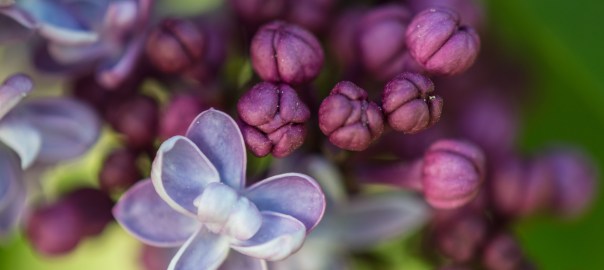
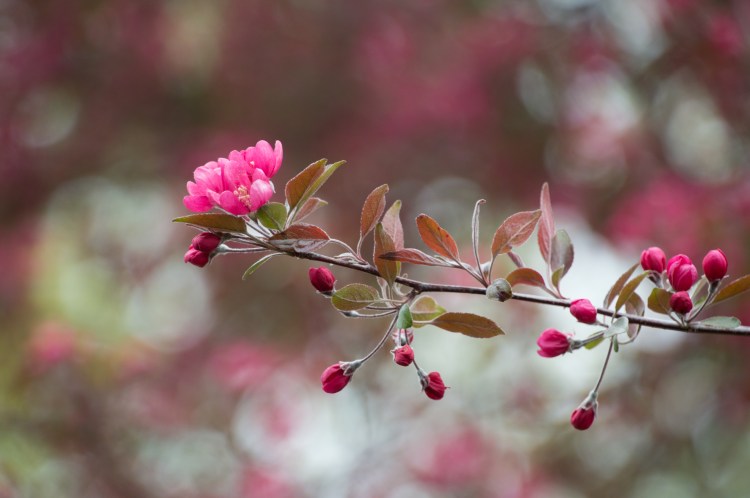
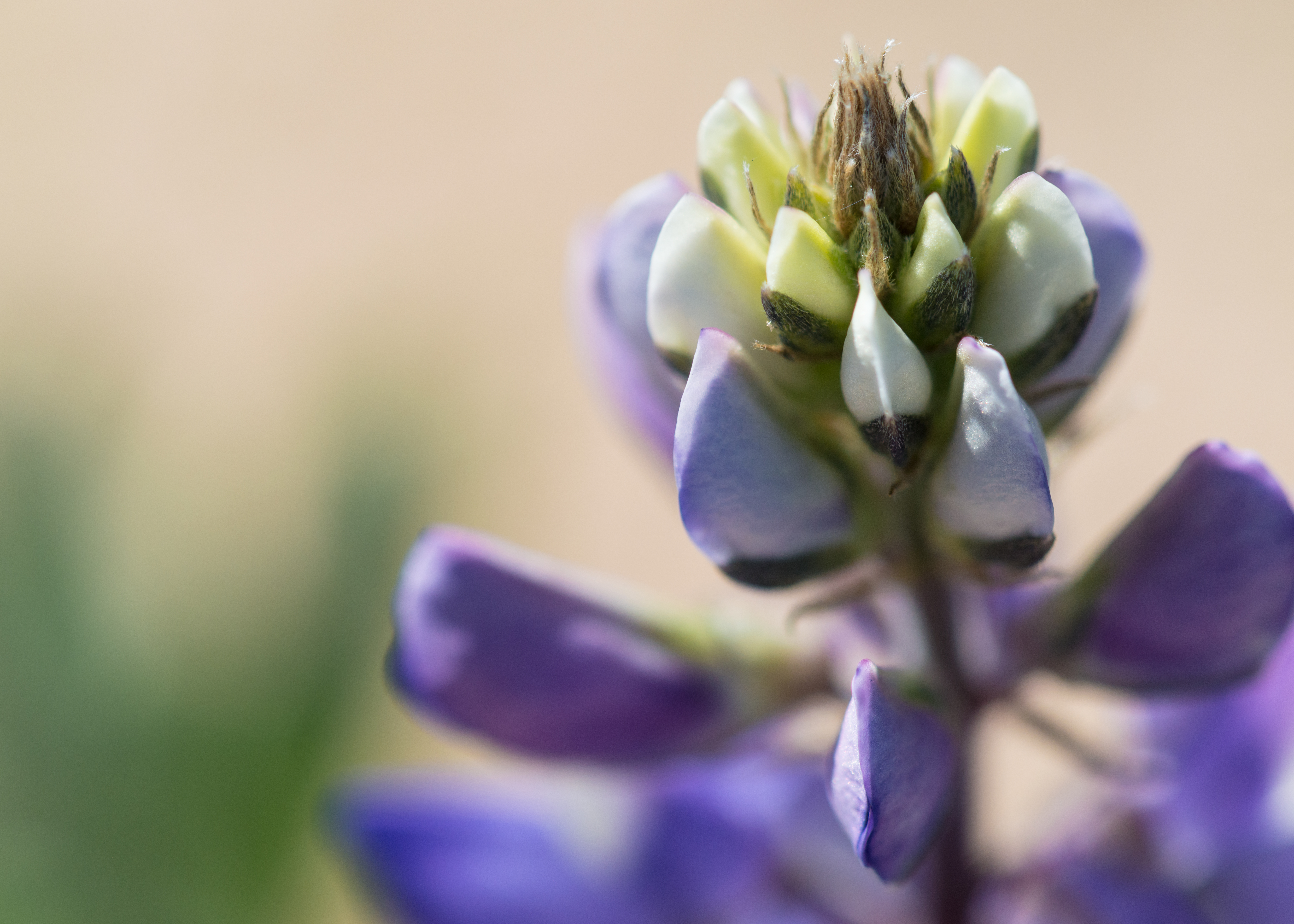
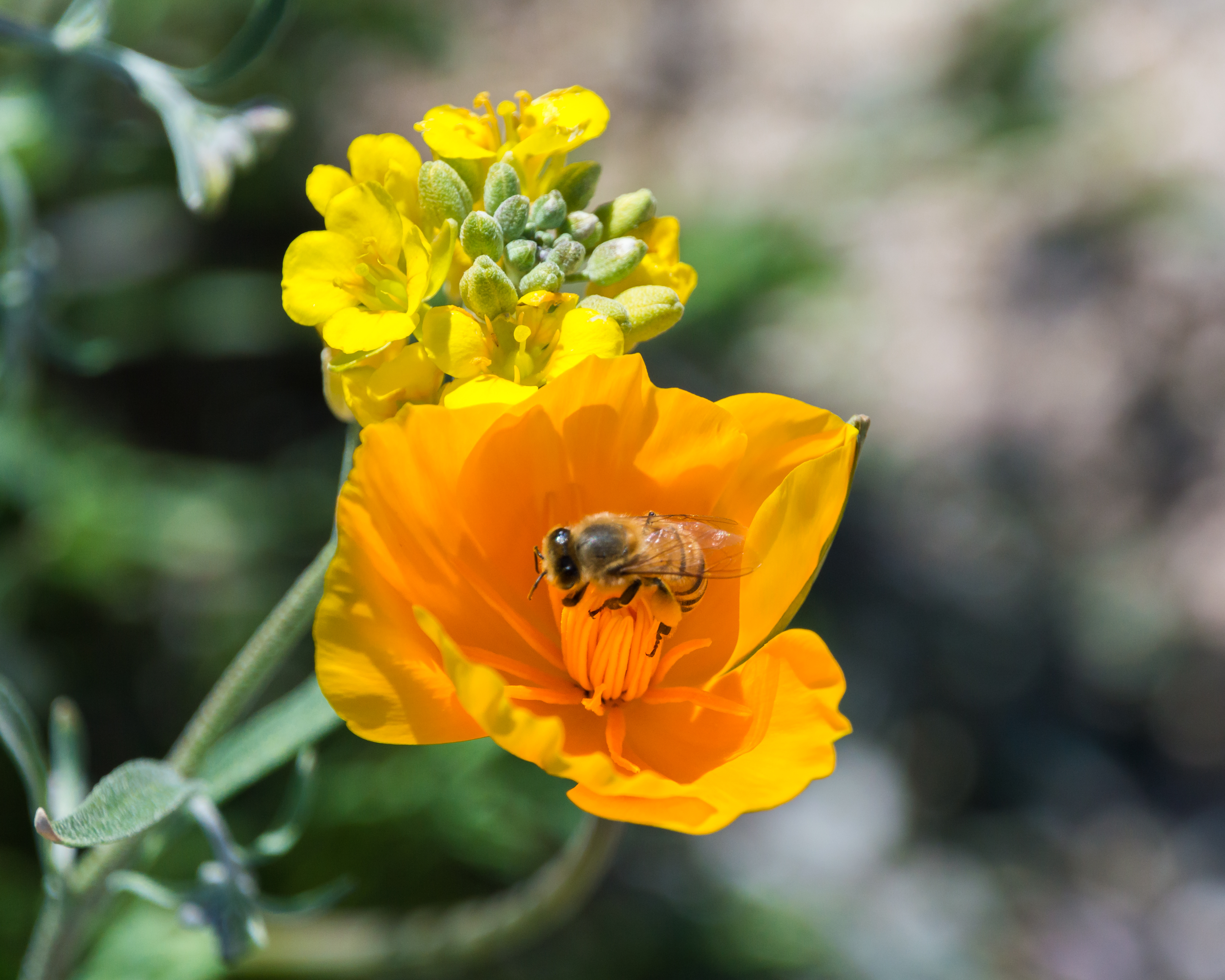
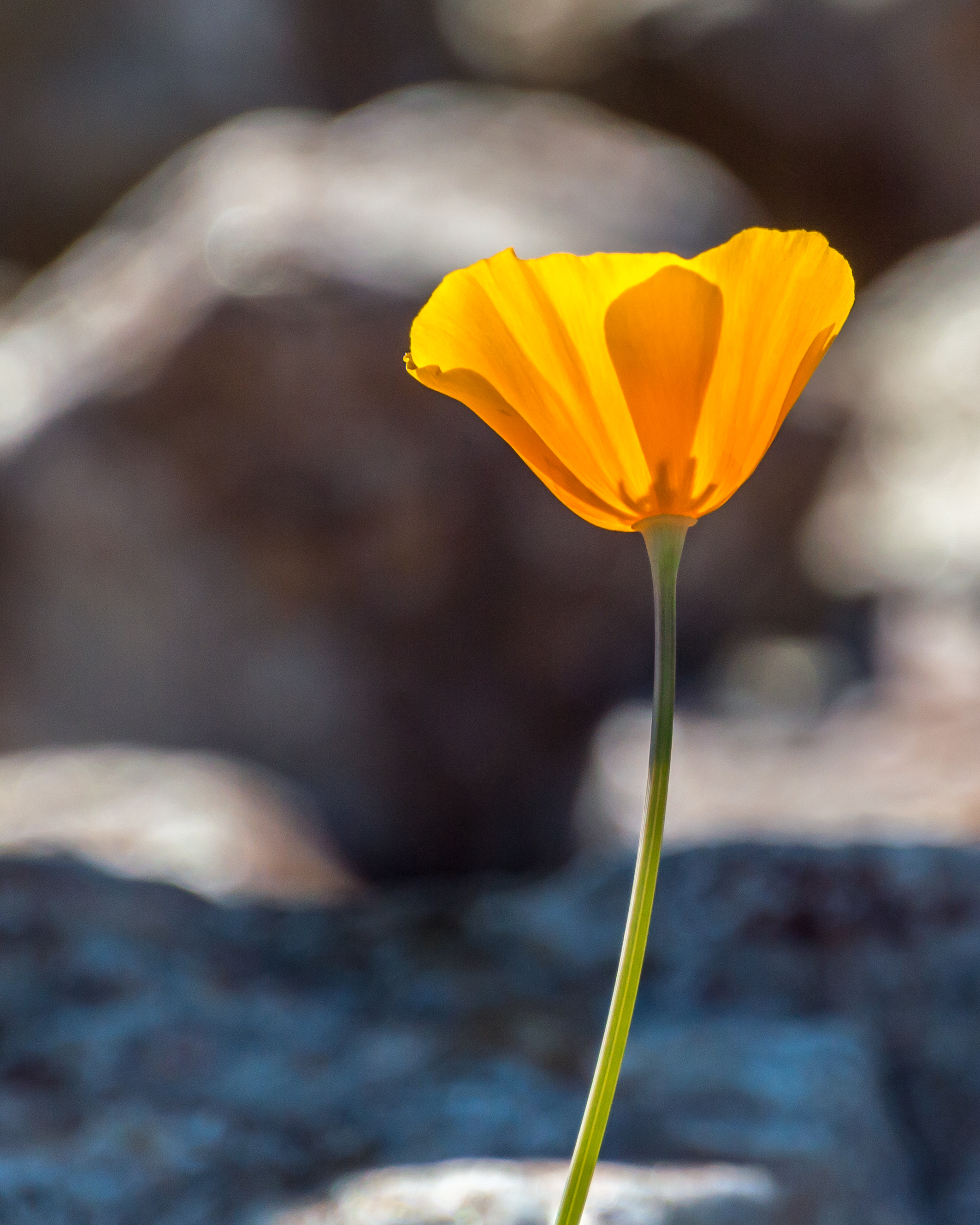
I hope you enjoy these photos of budding life and the promise of spring.

Bud 1Bud 2Bud 3Bud 5Bud 6


From My Isolation Outpost to Yours

Greetings from Lori’s Isolation Outpost, otherwise known as my home office. My disembodied voice is coming to you through the wonders of a website called WordPress. It’s an apt name for a space that allows me to figuratively “press” you (as opposed to shaking your hand or otherwise coming within six feet of you).

Isolation Outpost is actually my spare bedroom. It has an old oaken table, a sewing table, a dresser, a keyboard, a guitar, and a fake oriental rug where I do a few exercises each morning. (OK, maybe not every morning.) This is where I do office-y things like writing and editing photos. It’s also where I do non-office-y things like online shopping, checking my Facebook page for likes, watching YouTube videos, and researching important topics like how to copy and send mp3 files via email. No home office deduction for me, not after the IRS sees this post, anyway.

I guess since this site’s called WordPress, it would be appropriate to have a Word of the Day. Well, in that case, my word for the day today is PALPITATION. My heart’s been going ker-thump and ker-thumpity thump on and off for about a week now — in fact it’s doing it as I type this sentence. Palpitations can be brought on by any number of conditions, but in my case, I’m pretty sure it’s stress.

You wouldn’t know it to see me. In fact, you wouldn’t even know it to BE me. I look, act, and FEEL very calm most of the time. But I have a feeling this pandemic is getting to me in insidious ways. It may be my new normal. But I’m going to fight it. I’ll reduce my coffee intake, I’ll meditate, I’ll go for a walk, and I’ll watch more comedy. Yes. That’s my plan, anyway.

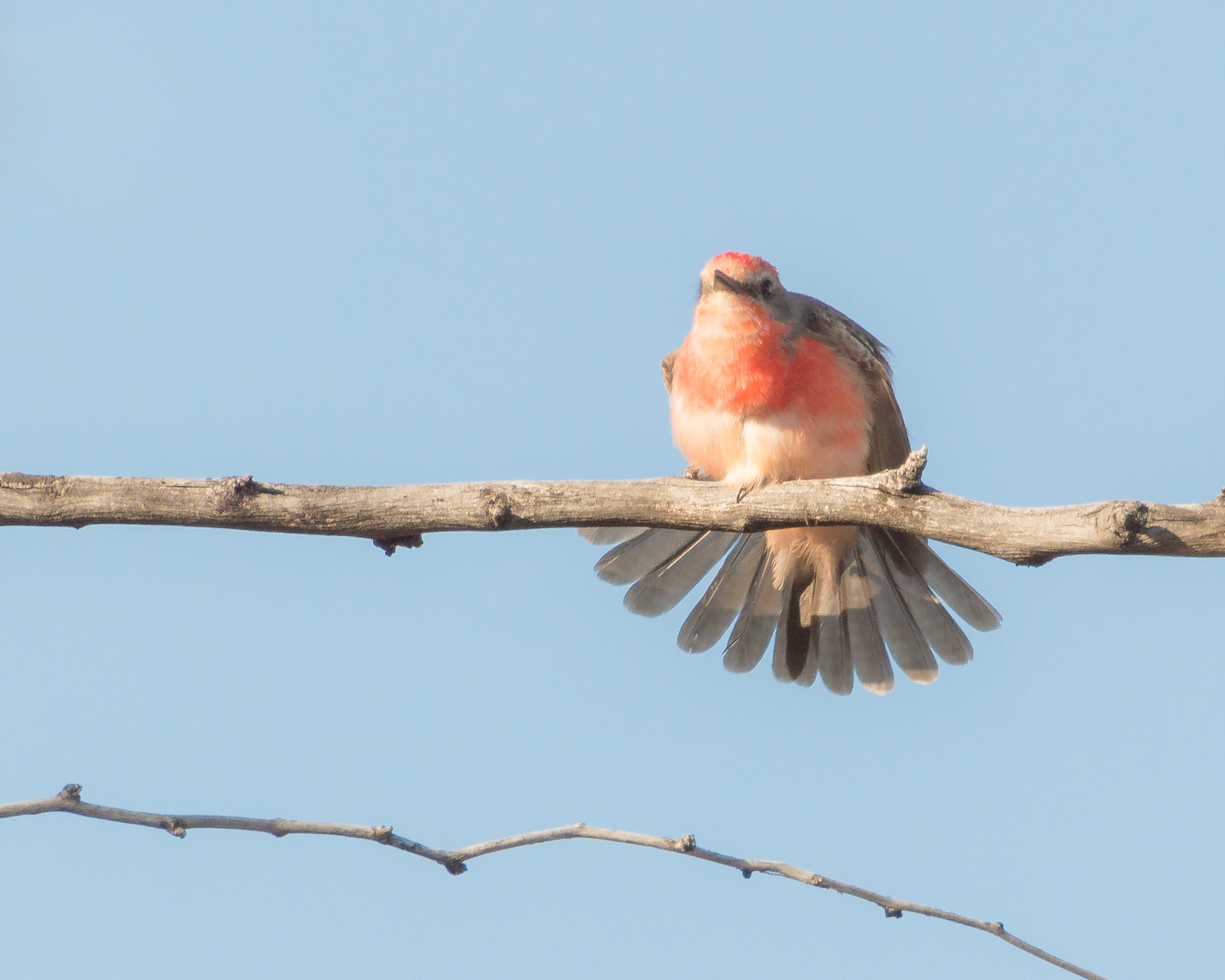
And I’ll keep taking photos. Here’s a juvenile vermilion flycatcher. He looks pretty chill.

Juvenile Male Vermilion Flycatcher-4

Adult vermilion flycatchers are brilliant red. (I once wrote a song inspired by one.) Young males like the one shown above look like they’ve been partially dipped in a bucket of orange paint. This one’s spreading his tail feathers to sun himself. Maybe I’ll do that today — sun myself, that is. A walkabout in the Arizona sunshine would do my heart good. And maybe it’ll inspire another song!

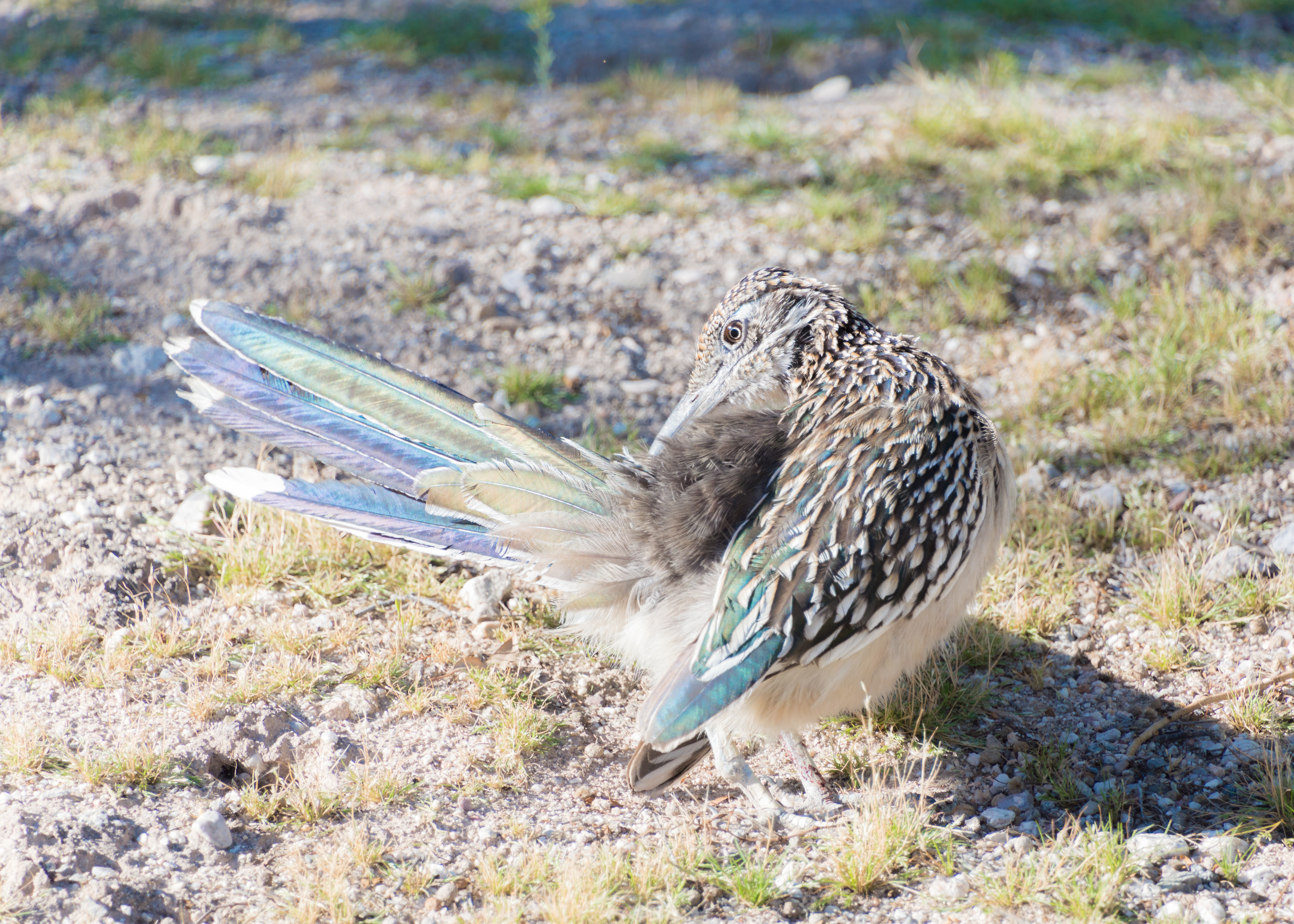
Here’s a roadrunner I saw a few days ago, also sunning its tail feathers.

Road Runner Preening

He or she (hard to tell the difference) seemed very content to stand still and preen itself while I took its picture, although it did warn me to stay at least six feet away.

Whatever you do today, I hope it’s relaxing and good for your heart … and soul.


A Jumble of Emotions

Dear friends,

HUGS.

cartoon-1296501_1280

I hope you are well.

To say I’m going through some weird feelings at the moment because of the pandemic is an understatement. It feels dystopian. Unreal.  It’s a little like the stages of grief: denial, anger, bargaining, depression, and acceptance. Some days, I experience all five. This post is going to be a jumble of emotions. So be it.

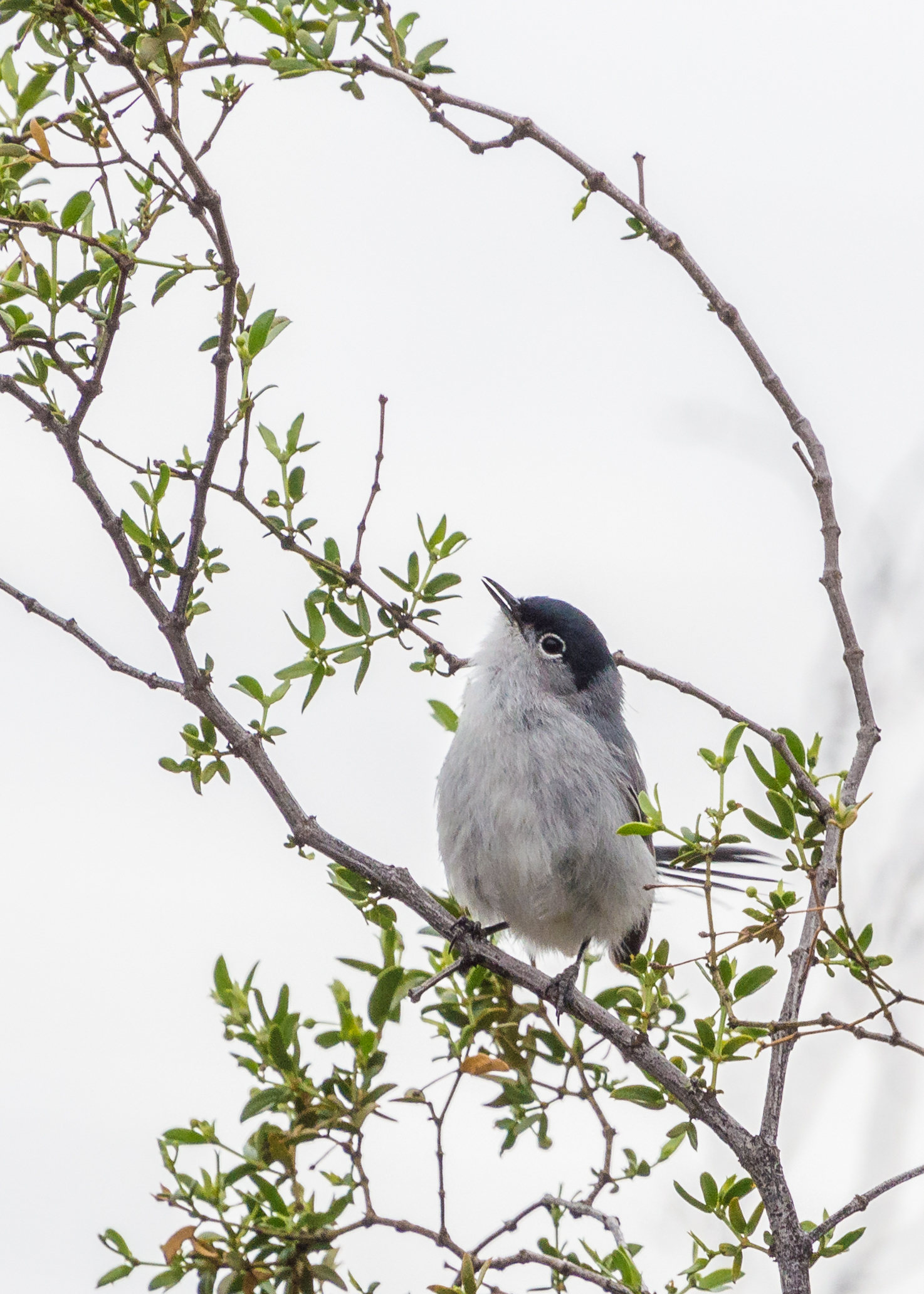
Two days ago, I think depression was winning. But I’ve been trying to cope by reading, writing, watching TV, going for walks, and taking photos. Here’s a cute black-tailed gnatcatcher I saw the other day :

Black-Tailed Gnatcatcher-2

I admire his optimism. I hope some of it rubs off on me.

I’m worried, especially when I think about those of you in parts of the world, and in my own country, who are struggling the most. Italy, New York City, nursing homes, hospitals. The unemployed, parents who need childcare, people in prisons, the homeless, the sick, the elders … it’s mind-boggling and I know we’re in for a long ride. I never imagined being here. None of us did.

And I’m sad because my family lives 2,000 miles away. I’ve even fantasized about driving there, sleeping in my car along the way so as to avoid hotel germs, and arriving on their doorsteps with sanitizer in hand (which I don’t actually have because the stores were out of it) … but I’d just be a possible carrier, adding to their problems, so it’s best if I stay away. (Which reminds me: Have you seen Mel Brooks’ video where he tells his son to “go home”?)

I guess I’ll have to rely on texting, calling, and even dreaming to stay in touch with family. I literally dreamed about my two young grandsons last night. They will each have a birthday that I will miss this year.

My city, Tucson, just closed all restaurants and bars today. I think take-out is still an option, but sadly, I’m sure that doesn’t apply to bars. Glad I stocked up on wine, but three bottles doesn’t seem like nearly enough now.

On the bright side, scientists, medical professionals, some political leaders, small businesses, ordinary people are actually pulling together and making sacrifices for the sake of the greater good.

And I’m actually pretty impressed with how many of us humans are acting humanely, and are even finding and spreading humor on the internet. Is there a reason that the words “human” and “humor” are so similar?

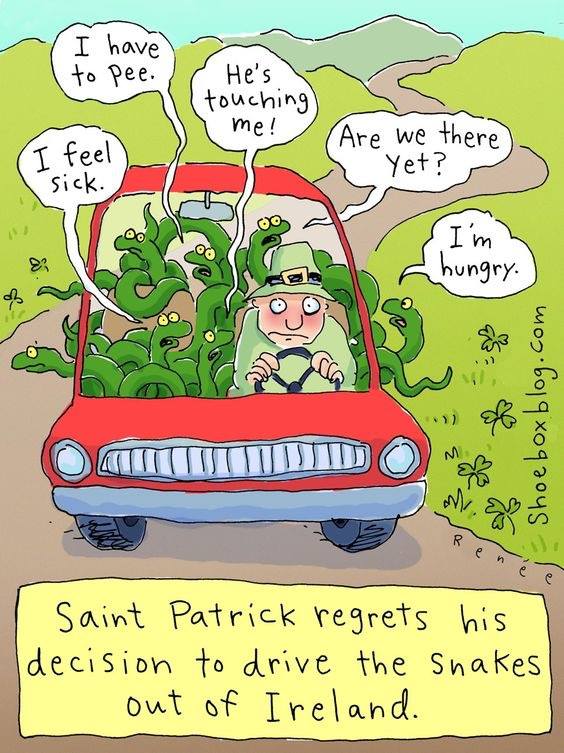
By the way, here’s what made me laugh today:

90357626_10156672820196326_781163901562650624_n

In the days to come, I hope to continue with my emotional outpourings. In the meantime, please let me know how you’re doing. Are you coping? Do you need a virtual shoulder to cry on? If so, I’m your person. Comment away.