Tag Archives: photography

Schooled in Spain (Part 2)

In my previous post, Schooled in Spain (Part 1), I wrote about the beginning of my 8-day trip to southern Spain. That post covered the minor trials and tribulations on day 1, the recovery on day 2, and the market, winery, and tour of Cómpeta on day 3.

Part 2 continues with days 4 through 8, and I’ve added many more photos of Spain to my Photos page.

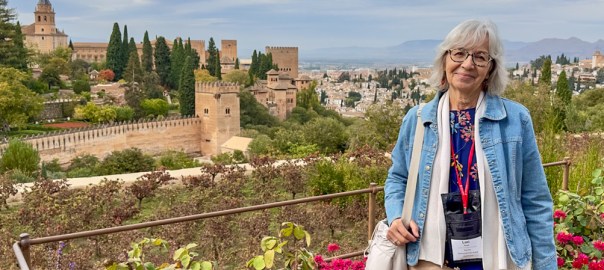
Day 4: Granada and the Alhambra: Thanks to the advance reading list from Road Scholar, I’d read about the Alhambra, but nothing could have adequately prepared me for touring the “Eighth Wonder of the World.” Although we had a tour guide, his words just swirled around me like a fog while I tried to take everything in. There were imposing walls with minimal windows (to ensure privacy), diagonal entryways (again, for privacy), courtyards within buildings, carvings mimicking stalactites, gardens, a reflecting pool, and thousands, perhaps millions, of intricate patterns, texts, and other inscriptions that, in keeping with Islamic requirements, never depicted the human form. I stood in the very room where Christopher Columbus received verbal approval from Queen Isabella to forge ahead with his plan to sail to India (and we all know how that turned out).

I found Granada to be a fascinating city of contrasts, with its ornate ancient architecture alongside fashionable storefronts and glittery Christmas decorations. While there, we visited a huge market, the Cathedral of Granada, and the Royal Chapel (where Queen Isabella and King Ferdinand rest … perhaps not in peace ). I got to see the queen’s robe, crown, scepter, and mirror (!) as well as the king’s sword. Side note: Besides funding Columbus in 1492, the king and queen horribly banished all Jews from Spain that same year and forced Spanish Muslims to convert to Catholicism).

Day 5: Flamenco and Frigiliana: In the morning, we enjoyed a Flamenco demonstration, where I learned that the foot-stomping of the genre is an imitation of the sound of tools striking hot metal in forges where many Romani worked in the past. (It’s considered more correct nowadays to say “Romani” instead of “gypsy,” although our guide and even the Flamenco dancers themselves used the word “gypsy” repeatedly.) Fun fact I learned on this trip: The Romani people originally came from India.

After Flamenco, we had a free afternoon. My choice was to explore a picturesque little village nearby called Frigiliana, only 5 minutes away by taxi. Three of my new friends on the tour joined me, and we had quite an adventure, especially when it came time to return home and we had no idea how to call a cab for the return trip. We’d assumed we’d just call the driver who’d brought us there, until we discovered that Nerja cabs only make the trip one way (from Nerja to Frigiliana, but not the other way around). Luckily, I’d seen a tourist info office a few blocks away, and with their help we managed to make it back to our hotel. It wouldn’t have been so bad being stranded in Frigiliana, though, since the place was absolutely crawling with tapas bars! (It was quite touristy.)
Day 6: I’ve been quite wordy so far in this post, so I’ll cut right to the chase. We visited an olive oil factory, tasted several different olive oils, and were served a delicious lunch in a local home. I even got to practice my Spanish with our host. The scenery there and back was breathtaking, too. I’ve never seen so many olive trees in my life!

Day 7: Again, I’ll be brief. Málaga was interesting and beautiful, and the Picasso Museum was outstanding. Every single piece in the museum is from Picasso’s own personal collection in his home!

Day 8: On this day, I rose early (4:30 am) and shared a cab to the Málaga airport with someone who, like my daughter, loves Brandi Carlile. Over coffee and pastries, we had a long and enjoyable conversation about music while waiting for our gates to open. Then I managed to find my way through both the Málaga and Madrid airports by following signs, arrows, and the sometimes LOUD, even YELLING voices of people directing travelers here and there, mostly in Spanish. I guess they figured if they yelled loudly enough, they’d be understood by everyone. Luckily, I knew enough Spanish to get in the right lines and into my airplane seat on time.

I’m really glad I had the chance to visit southern Spain and to learn about its history and blend of cultures. Thanks for coming on this journey with me, and don’t forget to check out my Photos!

Apples, Autumn, and Angles

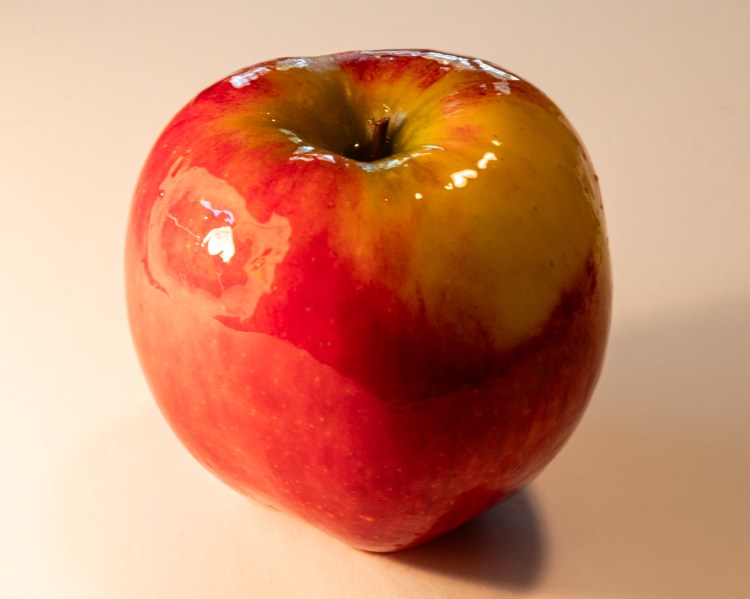
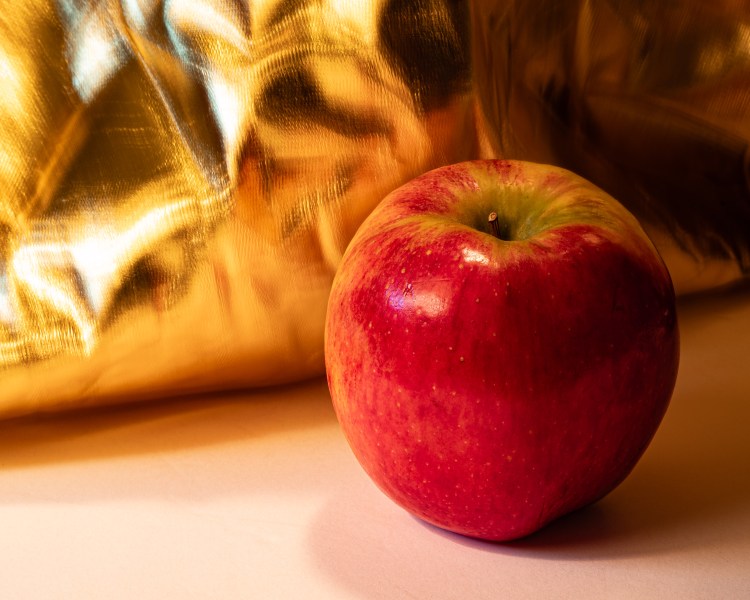
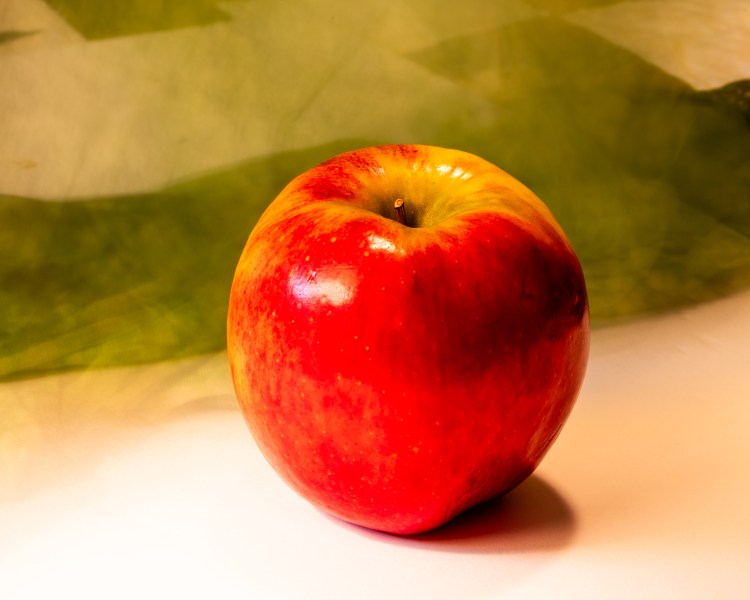
My photography group assignment for September was “Composition.” We were told to photograph a small object in at least 10 different ways, experimenting with angle, distance, etc., and then to choose the 2 to 4 we liked best, which would be presented to the group and critiqued at our next meeting.

We could define “small” in any way we wished. We had to keep the object in a consistent environment, but we could alter its appearance by doing things like spraying it with water, immersing it in water, or cutting it in half. I’m sure that last suggestion applied only to inanimate objects!

Aside from trying to decide how I’d alter the poor object, the hard part for me (and for many of the rest of us, I’ve heard) was settling on a subject to photograph. I wanted to choose something interesting or unique. But then it dawned on me that I was in the group to learn, not to try and impress anyone. And the best way for me to learn composition, I figured, was to keep it simple. I chose an apple as my model.

After selecting the prettiest apple in my fruit bin, I hauled out my camera, two lenses, a tripod, a shiny background, a scarf, a lamp, and a flashlight. I piled everything on my bed and proceeded to set up various scenes using the apple as the star of my production.

I set the apple on a white board. I placed a black box behind it. I nestled it in a colorful scarf. I experimented with various shutter speeds and apertures. I waved the scarf behind it. I sprayed the apple with water and coated it in olive oil. I spent at least 4 hours taking photos of the damned apple.

Then I spent another hour or so editing my photos. But after all of that, I was unsatisfied. I felt like I hadn’t done a very good job on the assignment, and I was embarrassed to show my photos to the group. Even worse, I hadn’t learned anything about composition.

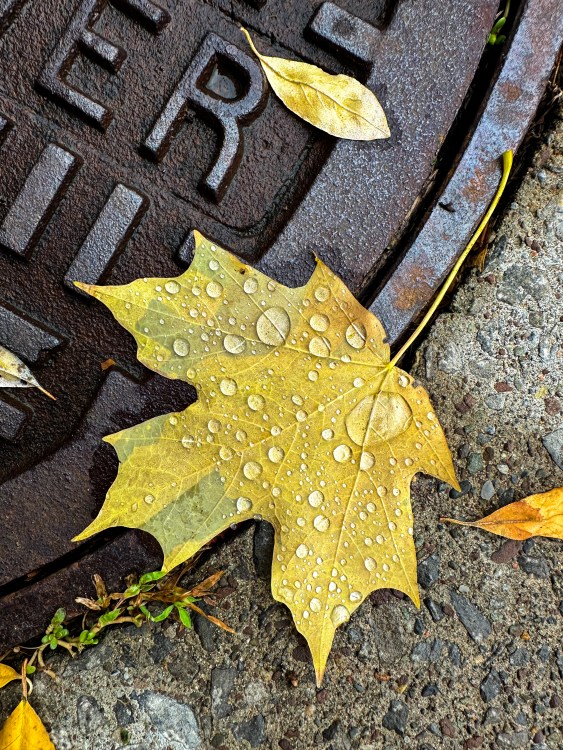
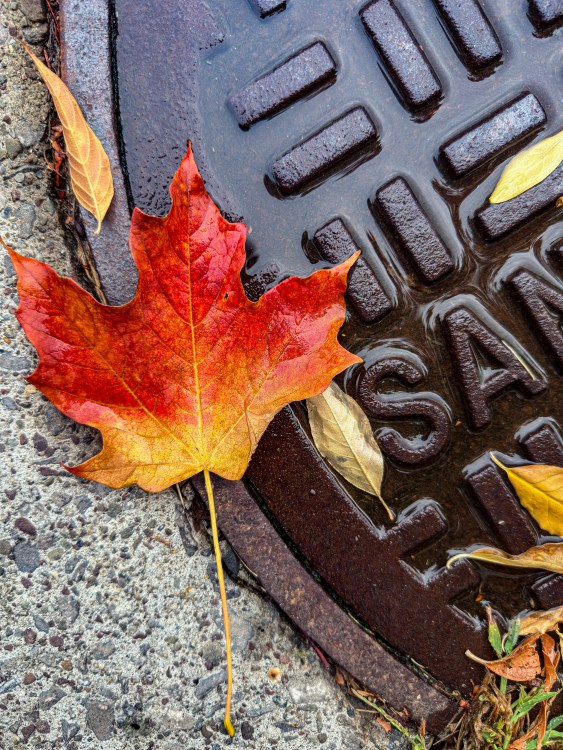
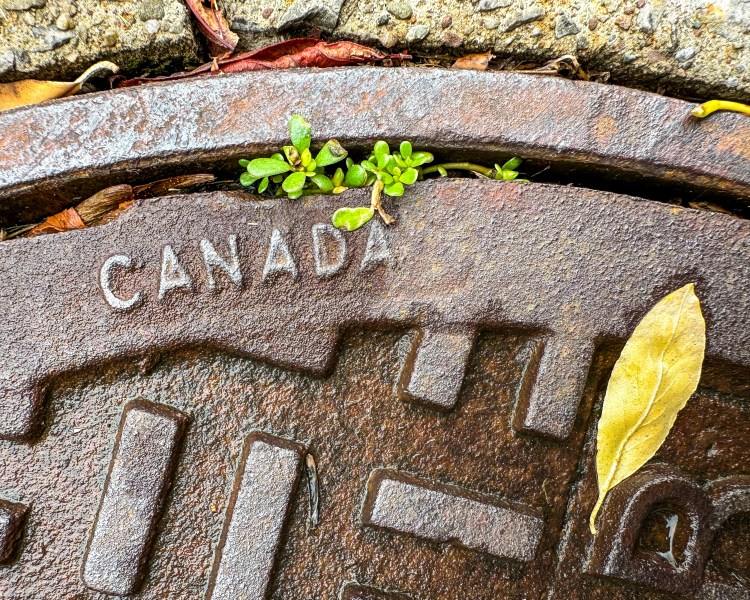
Then yesterday I went for a walk, and what did I see? Hundreds of small, rain-splashed autumn leaves glittering in the sun. Some had landed on top of a sewer cover. There was a strange beauty in all of that. Unfortunately, all I had with me was my iPhone, and there was someone walking behind me. Nervous about stopping, squatting down, and taking pictures with someone watching, I kept walking.

But after they passed me, I turned around. Sure, traffic was zooming by, and I’d be noticed by everyone in their cars as I crouched down, held that position for far too long, and then struggled to get up again (that did happen!), but so what? If a good picture is worth 1,000 words, it’s also worth a little embarrassment and creaky knees. I got to work.

After about 5 minutes, I had 30 pictures of leaves! And my knees survived! I couldn’t wait to get home and edit the pictures. I hadn’t used any fancy equipment. I didn’t have special lighting or backgrounds to play with. But instead, I decided to do what our mentor had said … notice something, stop, walk around it, and take pictures from different angles.

What do you think of the results? Which photos do you like best?

Did I learn something? Yes. I learned that beautiful objects can be found anywhere, even at the most unexpected times and in the most unexpected places … and that it pays to consider all the “angles.”

Capturing Summer

It’s the last day of August – but even without looking at the calendar I already know that summer’s end is fast approaching. The days are shorter, the nights cooler, and hundreds of sad, brown leaves have suddenly appeared on lawns and sidewalks in my neighborhood. I try not to notice them, but they lay there, taunting me. Some even have the audacity to crunch.

My sandals must be feeling neglected. Cool, damp mornings have sent me scrambling for my socks and sneakers – which is probably a good thing, since my summer pedicure (raspberry red polish this year) has seen better days.

My grandsons have gotten their back-to-school haircuts, too: another sure sign that the lazy, hazy, long-haired days of summer are over. You can see the boys’ smiling end-of-summer faces and new haircuts on my Photos page.

I used to dread this time of year, partly because I worked for a school district and had summers off, but mainly because I love summer and hate to see it come to an end. As someone with a June birthday, I like to imagine that my first impression of the world was a sunny and glorious one, filled with birds singing, kids splashing, and tons of ice cream. Yes, my love affair with June, July, and August goes way back.

But this year, rather than getting downhearted about the changing seasons, I’m trying to focus on the positive. I DID have a good summer. A pretty great one, in fact. The weather was good, especially for cloudy Rochester. I gardened. I walked. I mowed my lawn. I wrote and sang and played and took pictures. I visited family and friends. Family and friends visited me. And if all of that isn’t great, I don’t know what is.

Yes, the world is a mess right now. Some days I wonder how I can find joy in my surroundings when there are so many terrible things happening, but then I somehow manage to separate out the good from the bad. Getting outside in summer helps me with that. I go out and drink in the sunshine, and breathe in the warm air. I look around at all the living, thriving things, like trees, flowers, animals. I try and capture light and hold on to it for as long as I can.

Here is some light that I captured this summer, little moments that I enjoyed while being out and about with my camera. I’ll probably look at them again through the winter. I think that will be a little bit like sitting outside with the sun on my shoulders.

For more pictures of my summer (with captions so you’ll know what you’re looking at), visit my Photos page.

How was YOUR summer?

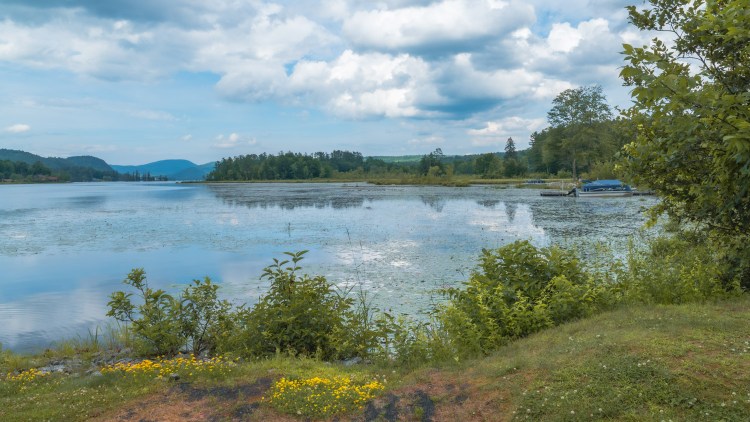
Brant Lake, Adirondacks, New York. I’ve always wanted to own a cabin there. I think I’ll have to settle for just driving around the lake and taking pictures.

Hopkins Sunflower Farm, Pittsford, New York.

Cardinal (male), Wild Wings walking trail, Honeoye Falls, New York. Wild Wings is a not-for-profit educational group that cares for permanently injured birds and has walking trails surrounding its facilities.

Don’t forget to check out my other photos, comment, and follow this blog (if you haven’t already) by hitting the Subscribe button! Thanks!

Bugfest at 10 p.m.

Time for another set of photos inspired by my camera. Yesterday was a slugfest. Today is a bugfest. But don’t worry. They’re only pictures!

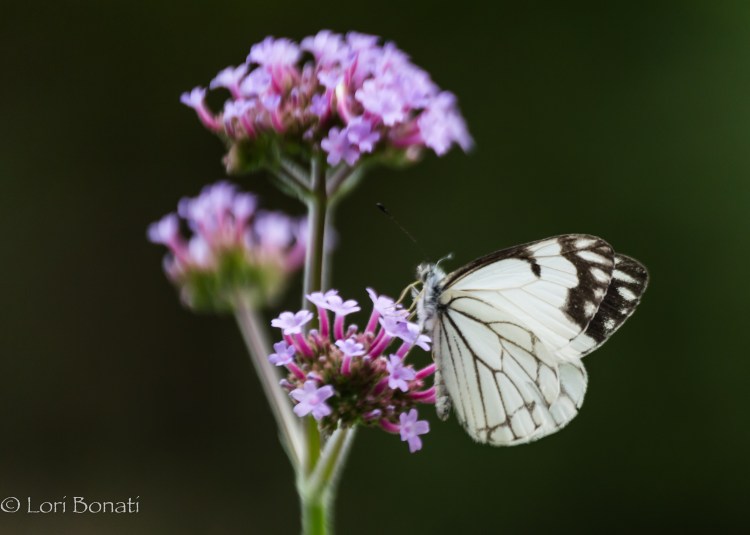
First up is a pine white butterfly (Neophasia menapia), as seen at Butchart Gardens in Victoria, British Columbia. This lovely creature, also known as the pine butterfly, feeds on the needles of pine and certain fir trees when it is a caterpillar, and on nectar as an adult. This butterfly is sampling some butterfly milkweed nectar at the moment.

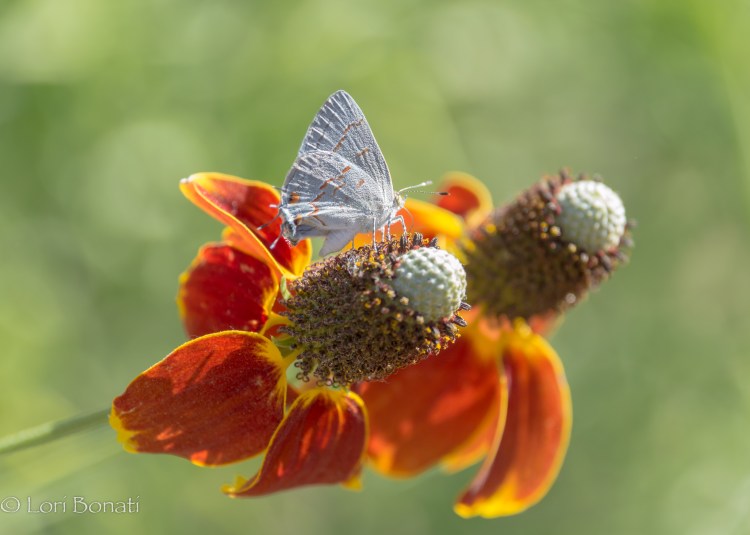
Next, we have another butterfly, photographed in a quiet park in Tucson, Arizona on a bright, sunny day. This one has a long name: Ministryomon janevicroy. It’s perched on an upright prairie coneflower (Ratibida columnifera, or Mexican hat). The Ministryomon janevicroy gets its name from the spouse (Jane Vicroy Scott) of its discoverer, Jeffrey Glassberg. I think this is my favorite butterfly because it’s so powdery white, with thin, orange, wavy lines. Its most unique feature is its OLIVE GREEN EYES. If you zoom in, you can probably see them.

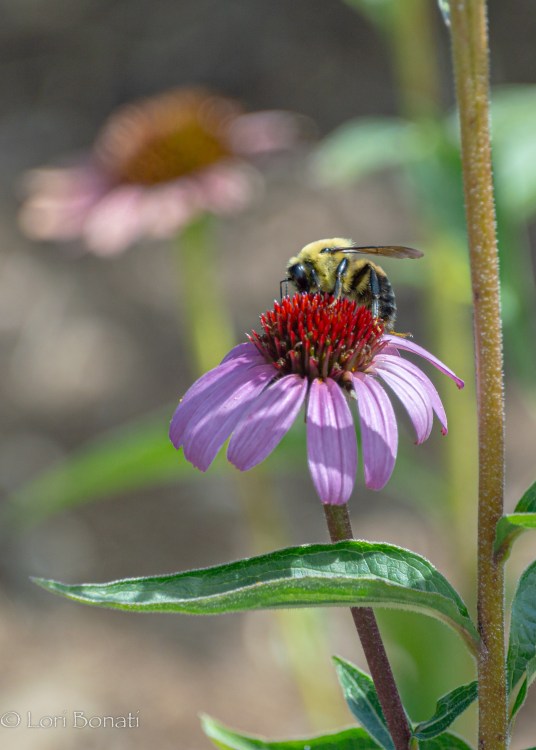
Working our way from pretty to a little bit scary, we have this little bee. Or is it a wasp? I’m not sure. It’s feeding on an Echinacea flower, which is in the daisy family. You can just scroll right past it if you have a fear of bees.

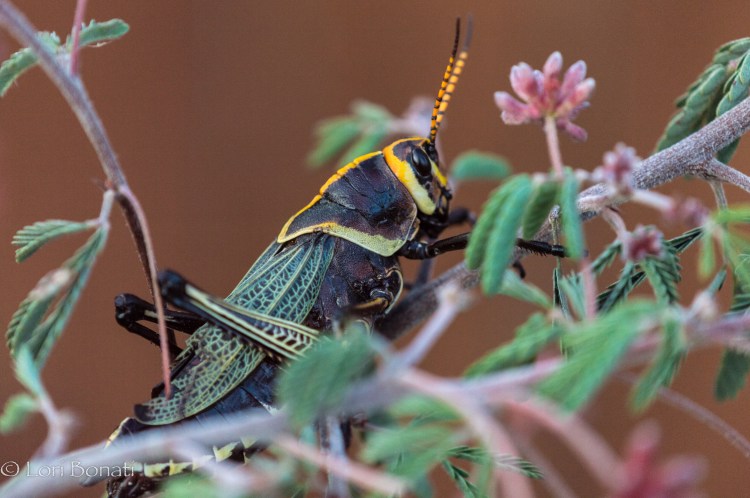
And you might want to scroll past the next one, too. In fact, I recommend it. It’s a horse lubber grasshopper (Taeniopoda eques). Believe it or not, I was able to take this photo up close without getting (too) grossed out. There were four or five of these big lugs, or should I say lubbers, hopping around on my fairy duster plant one day (again, in Tucson), so I did what every dedicated photographer does when they see a huge, disgusting insect: grab their camera and snap away. Then they yell “Ewww” and run screaming into the house. At least that’s what I did.

I enjoy taking pictures of butterflies and then identifying them via Google. It’s not that hard. You just have to be persistent. It’s not like identifying birds, which are hard to photograph in the first place, and then have so many variations within species. At least that’s been my experience.

On the other hand, I’m not wild about staring at pictures of insects for very long, but that’s just me.

The above pictures were taken some years back. Now, with my newer camera and a bit more free time, I’m hoping to capture better butterfly pictures in the future (and probably no more insects, if I can help it, except maybe a dragonfly … or a caterpillar … but no more horse lubbers, I promise!). All of that will have to wait, though. It’s currently 33 degrees out where I live now, and snow is in the forecast.

I think I’ll stick to indoor photography for the next three or four months. Then maybe I’ll start bugging people with pictures of bugs again.

~ ~ ~ ~ ~

This is post #17 of the month-long challenge known as #NaBloPoMo or #NanoPoblano. To follow my blog, please click below where it says “Follow loristory.”

And, to read more of the NanoPoblano posts written by the supportive blogging group “Cheer Peppers,” click the image below.

Featured image by ArtsyBee @ pixabay.com

Slugfest at Midnight

As midnight approaches on the 16th day of National Blog Posting Month, I find I’m at a loss for words. I’m likely to do something wild and unpredictable.

Well, this blog is supposed to be inspired by my camera, and I do have a photo or two in my collection. Let’s see what I can come up with.

(Pause while I pull up my photo app …)

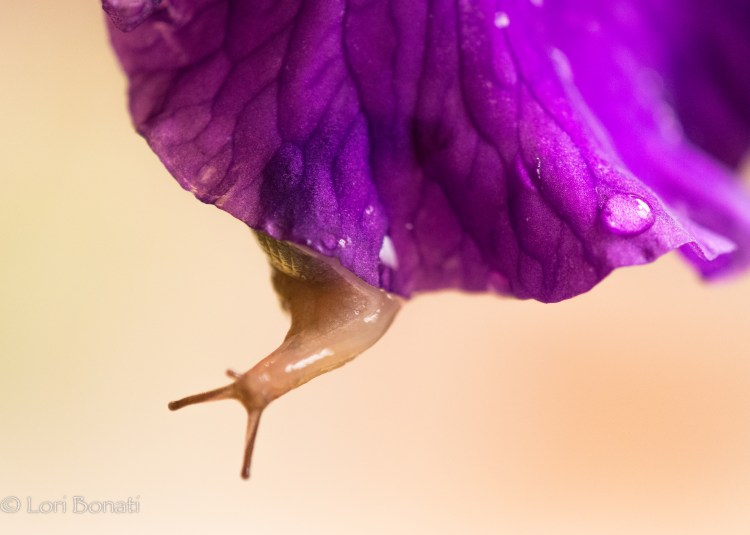
Ahh. Okay. Fortunately, I’ve found something: a portrait in vibrant purples and golds. It shimmers. It moves. It practically jumps off the page! The model reminds me of a graceful Flamenco dancer. Her dress is as soft as a petal.

Unfortunately for you, the model is a slug. A literal slug.

Introducing: Señorita Iris Maria Ariana Slug! (I.M.A. Slug, for short)!

I told you I was likely to do something wild and unpredictable. And I did!

~ ~ ~ ~ ~

This is post #16 of the month-long challenge known as #NaBloPoMo or #NanoPoblano. To follow my blog, please click below where it says “Follow loristory.”

And, to read more of the NanoPoblano posts written by the supportive blogging group “Cheer Peppers,” click the image below.

Cover photo (clock) by JESHOOTS-com @ pixabay.com

Emotional Photos

My photography critique group’s assignment for this month is to take pictures that reflect emotion.

This is a very subjective task. What might prompt an emotion in one person might not do the same for someone else. But our group mentor gave us some helpful tips. For example, use of lighting, point of view, cropping, color, and composition can all play a role in generating emotion.

It’s a lot tougher to accomplish than I realized. Just taking a photo of a flower doesn’t necessarily prompt an emotion, but if it’s wilting, or if someone is angrily plucking the petals off a daisy, or if it’s being yanked up by its roots? … I don’t know. I’m grasping at stems right now.

We’re supposed to submit three photos to the group by December 7. As if I didn’t already have enough to do writing a blog a day! But I’m going to try my best. Luckily, we’re allowed to turn in one of our favorite old photos, as long as it has the potential of bringing out an emotion in our viewers.

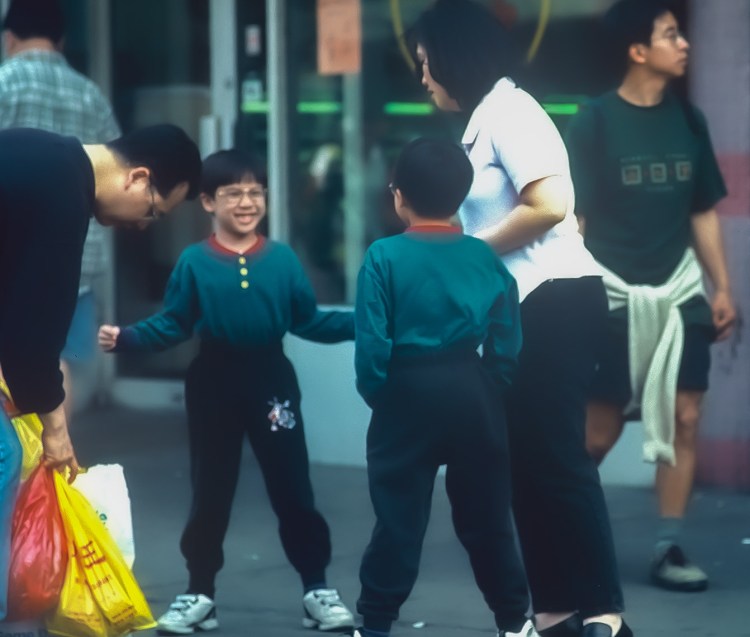
Here’s one that might do the trick. I took it over 20 years ago, with a film camera, when I was first getting started in photography. It’s a little out of focus, but I still like it very much because every time I look at it, I feel joy and spontaneity. (I also feel surprised – surprised that I was lucky enough to capture that precious smile.)

I’ve read somewhere that a great emotional photo CAN be out of focus. The important thing is to capture the moment. If you’ve done that, and created something that will get a reaction, you’ve done your job.

Did you feel anything?

Here are two more photos I’ve taken in the past. They’re both candid shots of strangers. These photos generate emotions in me, but I’m not sure they do the same for others.

This photo assignment makes me realize how few photos I’ve taken of people, and how few that express emotion. It’s a good thing to know.

So, for the next several days, I’ll be focusing (no pun intended) on taking emotional photos (and also catching up on reading blog posts). Wish me luck!

~ ~ ~ ~ ~

This is post #13 of the month-long challenge known as #NaBloPoMo or #NanoPoblano. To follow my blog, please click below where it says “Follow loristory.”

And, to read more of the NanoPoblano posts written by the supportive blogging group “Cheer Peppers,” click the image below.

Title photo (smiley faces) by AbsolutVision @ pixabay.com.

The Magic of Light

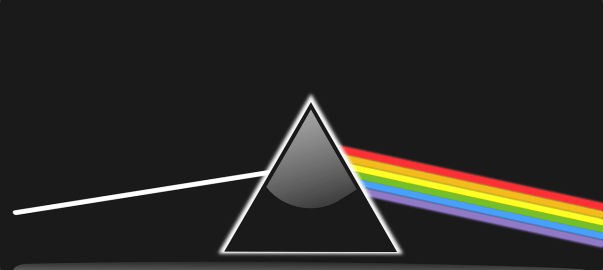
In 1666, while young Isaac Newton was quarantined in a dark bedroom to avoid catching the plague, he noticed a tiny beam of light pouring through a hole in his window. Using a glass prism, he bent the light to make a rainbow of red, orange, yellow, green, blue, and indigo. (Not violet, but that’s coming. For now, it’s just ROYGBI.)

Next, he reunited the ribbons of light using a second prism, turning them a solid white again. This was how he proved that light, which we perceive as white, is actually made up of several colors.

Newton then drew a chart of the six rainbow colors, adding a seventh one (you guessed, it, violet) by combining the first (red) with the sixth (indigo) in order to connect the arc together in a continuous circle.

And finally, he labeled his seven-color wheel with the letters A through G. Why did he choose these letters? He wanted them to match the seven notes in the western musical scale. I think he felt a connection between colors and music … as many people do. The connection is kind of magical (one could even say it’s a Rainbow Connection, especially if one were Kermit the Frog).

Here’s Newton’s illustration of the Color Wheel. Note that the sections are unevenly spaced, corresponding to the way notes on the musical scale are arranged (full steps after A, C, D, F, and G, but only half-steps after B and E).

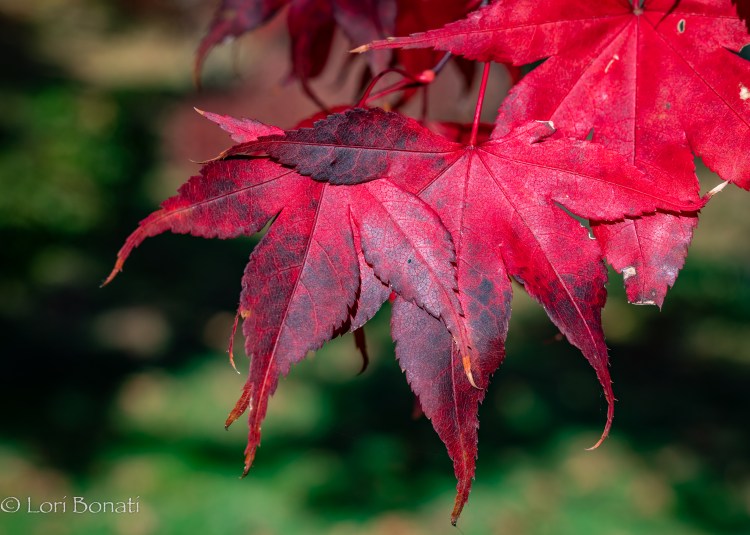
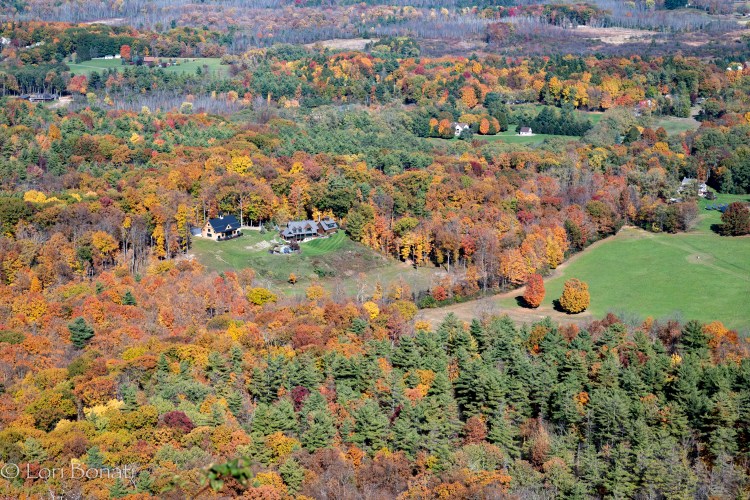
Speaking of colors, here are some colorful autumn scenes, taken just last month. Click each one for a bigger burst of color.

Since Newton’s birthday is December 25, I’m going to go out on a limb (an apple tree limb, of course), and guess that his favorite colors were red and green. Mine are yellow and indigo. What are your favorite colors?

~ ~ ~ ~ ~

This is post #7 of the month-long challenge known as #NaBloPoMo or #NanoPoblano. To follow my blog, please click below where it says “Follow loristory.”

And, to read more of the NanoPoblano posts written by the supportive blogging group “Cheer Peppers,” click the image below.

Secrets Revealed!

Welcome to Day 2 of NaBloPoMo and NanoPoblano (November’s 30-day blog post challenge).

I have a new camera!

Yes, about two weeks ago, I bought a Nikon Z5. It’s a step up from my Nikon D3200, and it comes with some awesome features like full frame sensor, mirrorless, better sensor, image stabilization, tilting touch screen, and more focus points. Plus, it even has the ability to stack several photos on top of each other.

Secret #1: I don’t really understand any of that, but I’m hoping for some interesting results, eventually!

I also bought a new lens to go with my camera, a 28-75mm zoom.

Secret #2: My old 18-300mm zoom lens was fairly crappy. The more I used it, the more I came to realize that. In low-light situations, or when zooming all the way out (for example, when trying to capture birds in flight), everything was either grainy or out of focus. It was frustrating. My new lens seems to be doing better. It only zooms out to 75mm, but that’s okay, because I think it’s a better quality lens. Eventually, I’ll buy the 28-200mm I have my eye on, but for now I’m just going to focus (pardon the pun) on learning to use what I’ve got.

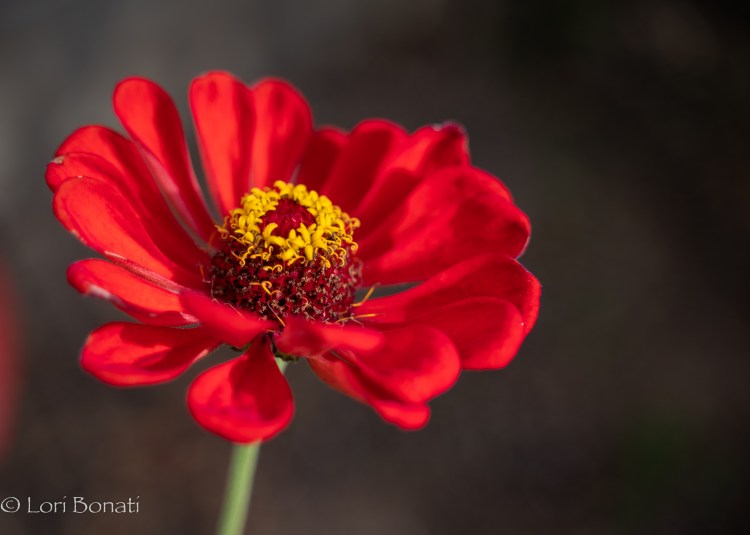
Here’s one of the first shots I took with the Z5 – a zinnia in my garden. For this shot, zoomed out to 75mm, I got close to the flower and set the f-stop at 2.8, which gives the photo that soft, blurry background known as “bokeh.”

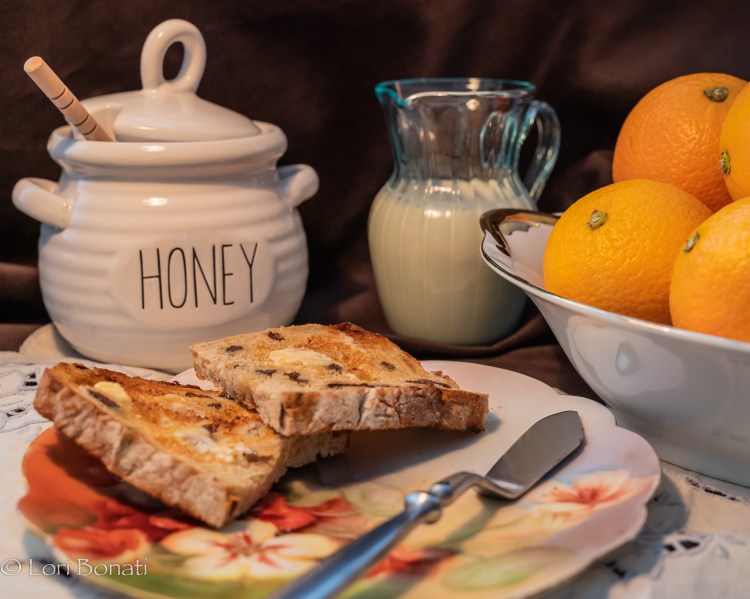
And here’s another one of my first “new camera” photos. I think it’s the first still life I’ve ever attempted.

I set the camera on a tripod and experimented with different lighting, including filtered window light plus a floor lamp. For the background, I went to a fabric store in search of black velvet. The closest they could come to that was brown velveteen, which I settled for, and I’m glad I did … I like how the soft brownish tones go with the toast.

But … Secret #3: I wish I’d gotten more of this photo in focus. I could have done that if I’d taken my time and adjusted the f-stop from 5.6 to a higher number.

By the way, that plate in the picture? I spent $10 on it at an antique store, specifically for this picture, and … Secret #4: I promptly smashed a chunk of it off when I accidentally banged it against the bowl of oranges while arranging the shot. I cobbled the plate back together with clear packing tape, and then … Secret #5: I airbrushed the crack line in the photo using my Lightroom photo editing software. (Okay, now you know all my secrets.)

This still life is based on a song, “Chelsea Morning,” by Joni Mitchell. Do you know it? Click the link and you can watch her singing it live in 1969. I actually just met someone online who had never heard of or listened to Joni’s song, “Blue,” and that made me sad. If you’ve never heard “Blue,” I urge you to listen to it!

But now, back to Chelsea Morning. The song, one of Joni’s earliest recordings, includes the following lyrics, which you’ll hear at 1:38 in the video:

Woke up, it was a Chelsea morning
and the first thing that I knew
there was milk and toast and honey
and a bowl of oranges, too.

After all this talk about songs, I think my next post will be about my own attempts to write a new song, which I’ve titled “Home Alone.” And it isn’t the least bit sad!

Lucky to Live in the ROC (Part 3)

Previously, on Lucky to Live in the ROC (Part 1) and Lucky to Live in the ROC (Part 2), I shared two great places to visit in Rochester, New York: the Little Theatre and Highland Park. In Part 3, I reveal more attractions, including THE FOURTH-OLDEST ROLLER COASTER IN THE WORLD!

SEABREEZE AMUSEMENT PARK

Seabreeze is a historic amusement park situated in a breezy part of town where Irondequoit Bay meets Lake Ontario. It’s been a summer destination for young and old since 1879. I used to go there in the 1960s.

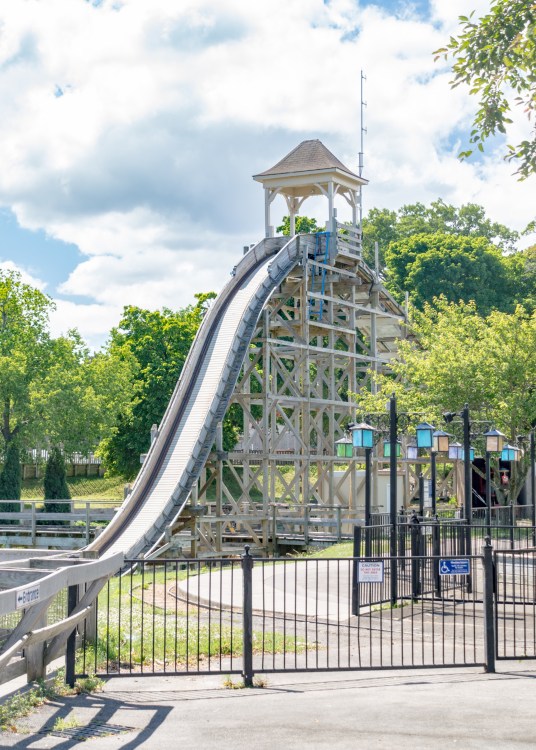
My favorite ride then was Over the Falls, which in those days meant a slow, creaky ride through dank, cobwebby tunnels, and a 40-foot plunge into a pool. Over the Falls eventually got to be over the hill, though (what does that say about me?), and was replaced in 1984 by the Log Flume.

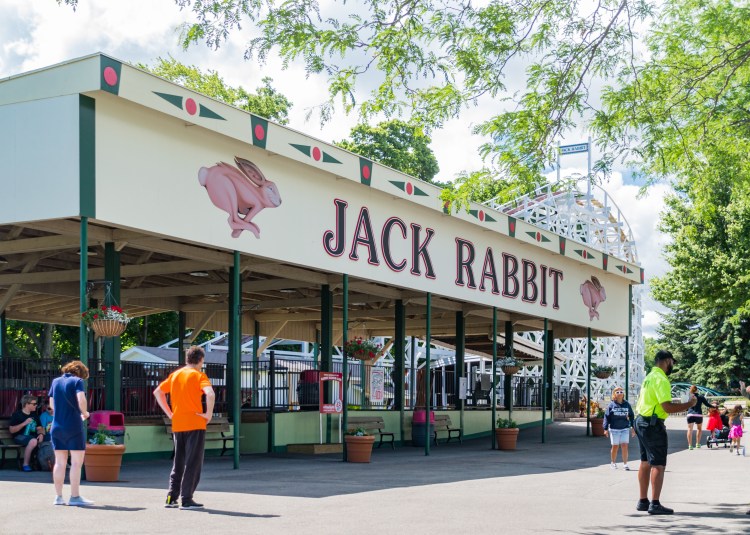
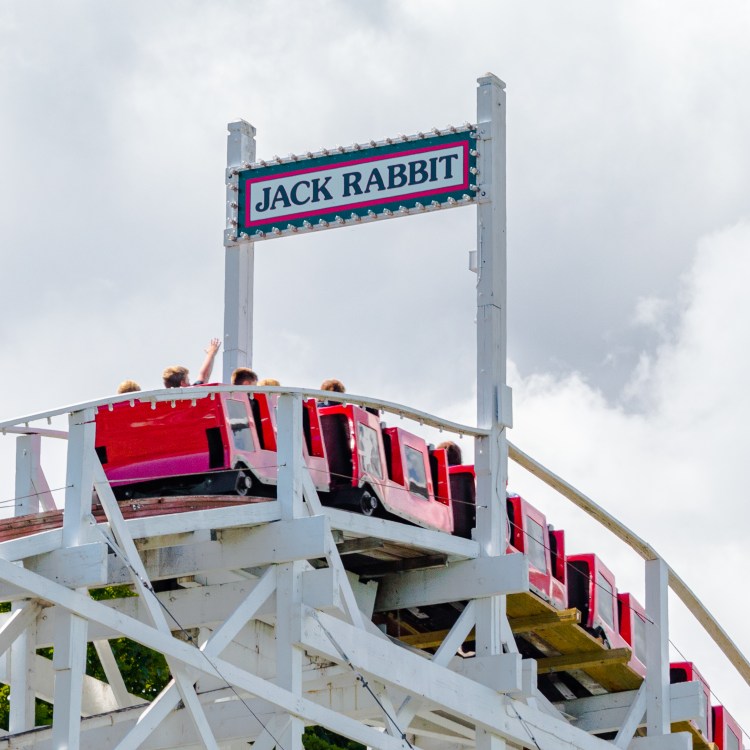
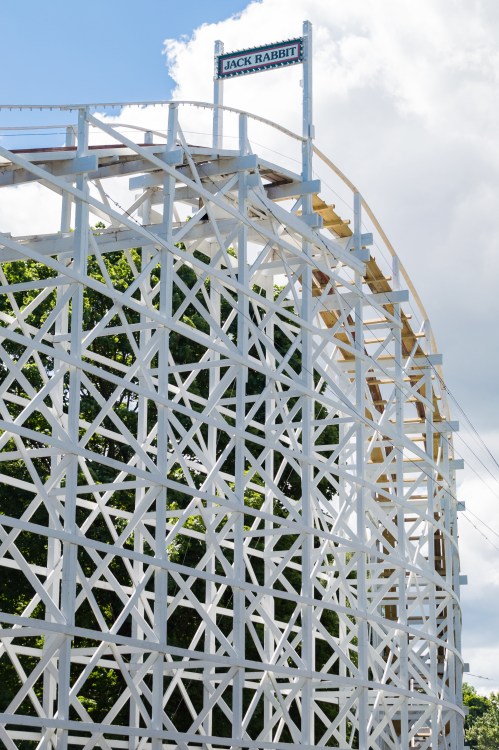
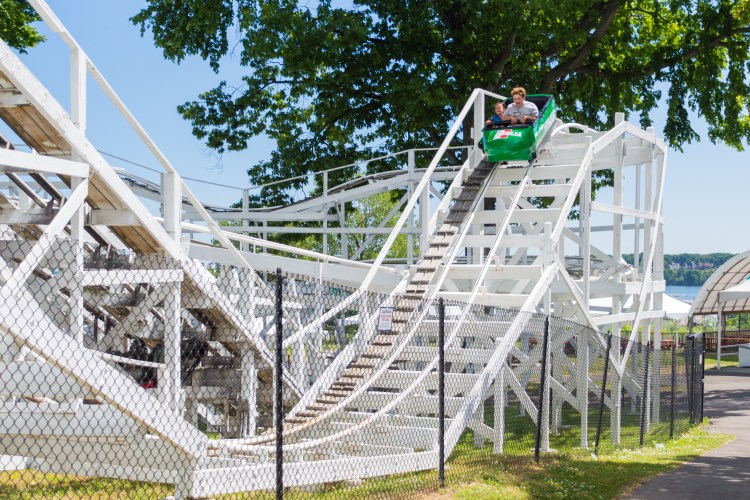
Although I was daring enough to go Over the Falls, I never had the intestinal fortitude to brave the Jack Rabbit, built in 1920. It’s the fourth-oldest roller coaster in the world, but at 102, it’s also the oldest continuously operating roller coaster in America.

Jack Rabbit

Yes, the Jack Rabbit isn’t just old, it’s an antique – entirely constructed of WOOD. And if that isn’t enough to send you screaming from the park, consider this: you’ll be strapping yourself in for a wild ride full of sharp twists and turns on track that clickety-clacks like a rattlesnake (over 2,000 feet of it) , a 75-foot drop, and a dark tunnel signaling the merciful end.

But hold on a minute. If that type of cheap thrill isn’t your cup of tea, there are plenty of other rides here at Seabreeze (including swirling teacups, which caused me to have to sit perfectly still for an hour after being swirled in one of them).

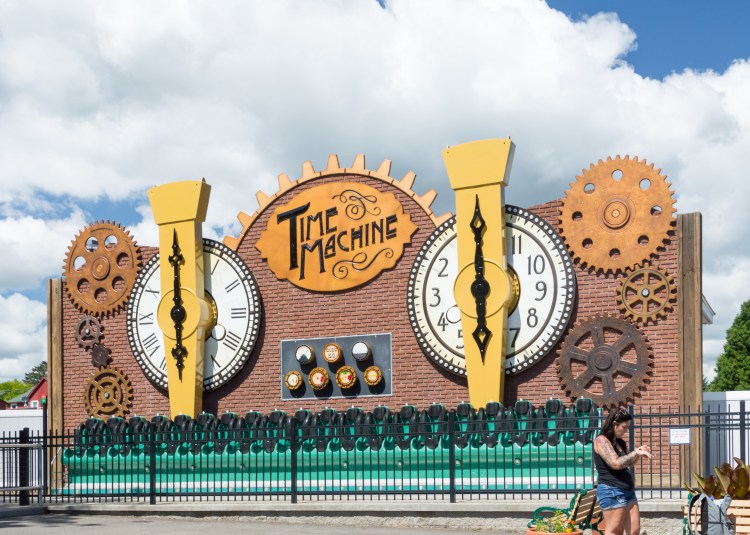
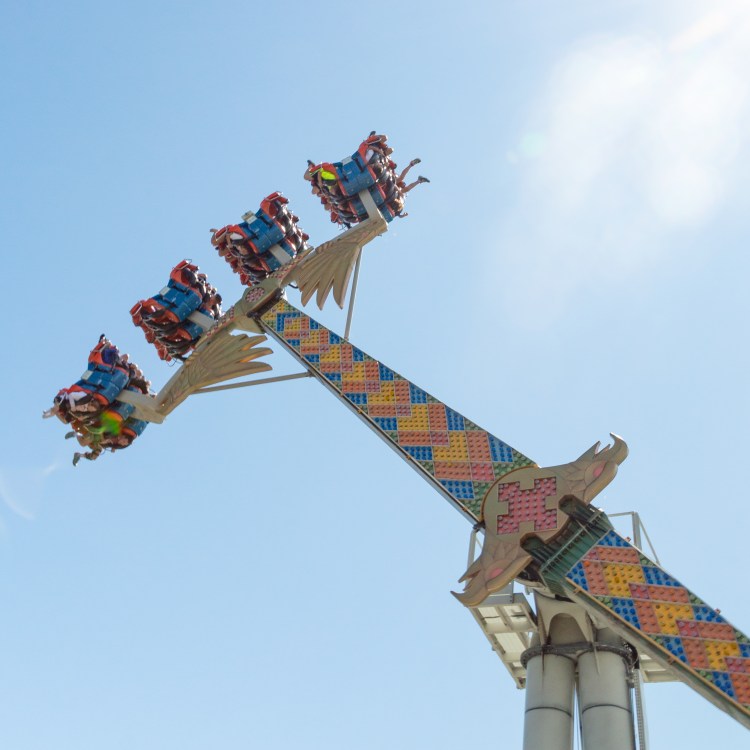
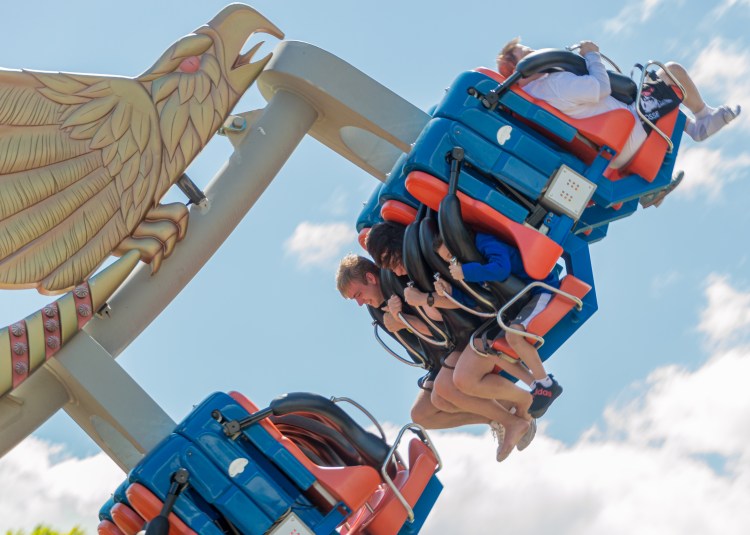
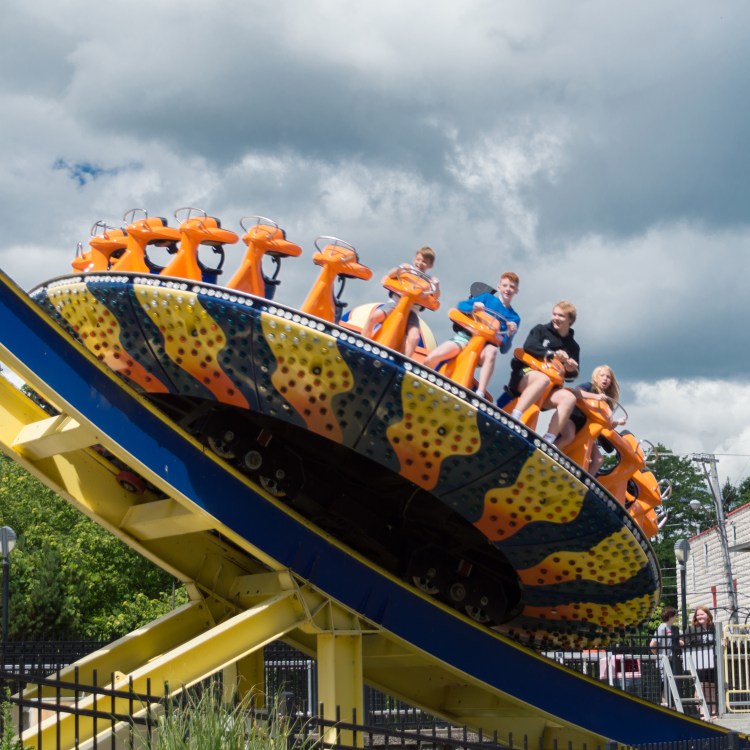
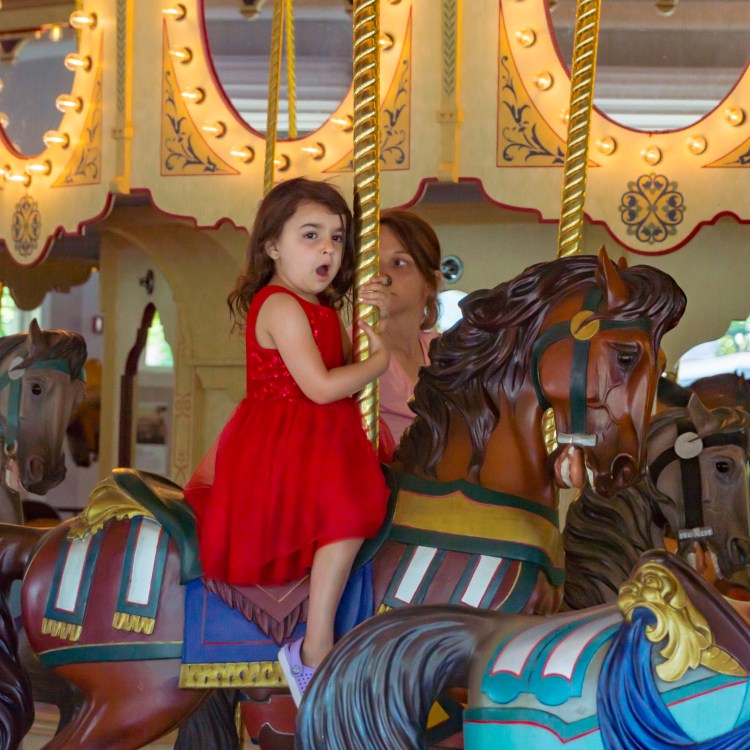
Although Seabreeze Amusement Park happens to be the fourth-oldest operating amusement park in the United States, not all of its rides are old. Here are some of the other rides you’ll see there. Pictured below are the Time Machine, Tilt, Screamin’ Eagle, Revolution 360, Log Flume, Carousel, and Bobsled:

Speaking of old, seniors get in free every Tuesday. They can enjoy all rides for free that day, too. And yes, if you must know, I was there on a Tuesday.

In my next installment of Lucky to Live in the ROC, an epic road trip in search of the perfect pizza leads to some unexpected paintings in the strangest of places.

Be sure to follow my blog so you don’t miss a thing! Just click below, and then look for the small blue button that says “Follow loristory.” Thanks!

Follow loristory on WordPress.com

Two Bridges and More

Inspired by a recent post by my friend Mary (“A Bridge Too … High!”), I’ve decided to post something about bridges, too.

While Mary’s article is about a bridge in Ireland; mine is about two bridges in Italy.

And, while hers is witty and thoroughly entertaining, mine is more along the lines of “here are some photos of bridges, and here is all I can think of to say about them at the moment.” Oh well. One can’t always be witty and entertaining!

I hope you enjoy the photos, and that you’ll check out Mary’s blog as well.

Ponte Vecchio, Florence, Italy, 2017:

Ponte Vecchio (“Old Bridge”) is aptly named; it’s over 1,000 years old! (The first written record of it is from the year 996.) These days, it’s lined with shops, and tons of tourists. I just noticed that there are at least six bridges in this photo!

Gazing at this picture brings me back to the moment when I captured it. I’d just toured the nearby Uffizi Gallery. In fact, I was standing inside the gallery when I took the photo, looking down at the Arno River. It was my first trip to Italy (first time in Europe, too). I’d flown there from Tucson, Arizona with a small travel group (only eight of us). Together, in just one week, we visited several interesting and beautiful sites around Tuscany, including Florence, Pisa, San Gimignano, Lucca, and Siena.

On my last day of the trip, I took a 20-minute bus ride from the outskirts of Florence, where we were staying, into the city, all by myself, just so I could absorb some of the local culture and language on my own time. It was an amazing experience. I could barely speak a full sentence in Italian, yet the people on the bus (who barely spoke English) helped me out when I wasn’t sure which was my stop.

My day of solo museum-hopping (which included a delicious three-course lunch – meat, pasta, tiramisu, and of course vino) went by much too quickly. At about 5 p.m., after standing at the wrong bus stop for ten minutes, I discovered my error just in time to catch the last bus back to the hotel. I wasn’t the least bit nervous. It was a friendly, warm, and welcoming place, and gorgeous, too.

Ponte Sisto, Rome, Italy, 2019:

Two years after my first trip to Italy, I had the chance to go again with the same tour group. This time there were only four of us, and we were going to study Italian in Sicily for a week! After the week was up, rather than flying home directly from Sicily, two of us opted to spend two extra days in Rome. I mean, how could I possibly skip seeing Rome when I had the chance? (I LOVED Rome and hope to return some day.)

Ponte Sisto (the bridge pictured above) has a long history. From what I can gather from my online search, there was a bridge on this site in the 4th century known as Pons Aurelius. It was partially destroyed in 772 when Rome was attacked and taken over by a Lombard king, Desiderius. In 1473, Pope Sixtus IV commissioned the rebuilding of the bridge. It is now only for pedestrians and spans the Tiber River in Rome’s historic district. I didn’t realize it when I took this photo, but that’s the dome of St. Peter’s Basilica (in Vatican City) in the background!

* * * * * * * *

This isn’t the first time I’ve written about bridges. My post, “Bridges in Literature,” will bring you up to speed on the many appearances of bridges (or lack thereof?) in books, songs, and movies. Here’s a sneak peek at the photo I used in that article. It’s a bridge somewhere in southern Arizona:

* * * * * * * *

One last thought: The “featured image” at the top of this post is a blue and yellow banner in honor of Ukraine. These days, I’ve been thinking a lot about the bridges there, and about how so many thousands of innocent victims of the Russian invasion are trying to cross them to safety.

This post is dedicated to the brave people of Ukraine.

* * * * * * * *

If you haven’t already done so, please check out my brand new book, “Wordle Poems: A Poem a Day for Wordle Nerds,” on Amazon. It contains 30 original poems inspired by the daily act of Wordling. No spoilers! Reviews are greatly appreciated!

For more of my writing, visit my author page over at Bardsy, as well as my book, “Standing in the Surf,” on Amazon. It’s a photo journal about the Pacific Northwest area known as the Salish Sea, which includes Whidbey Island, Vancouver Island, Stanley Park, Butchart Gardens, and more.